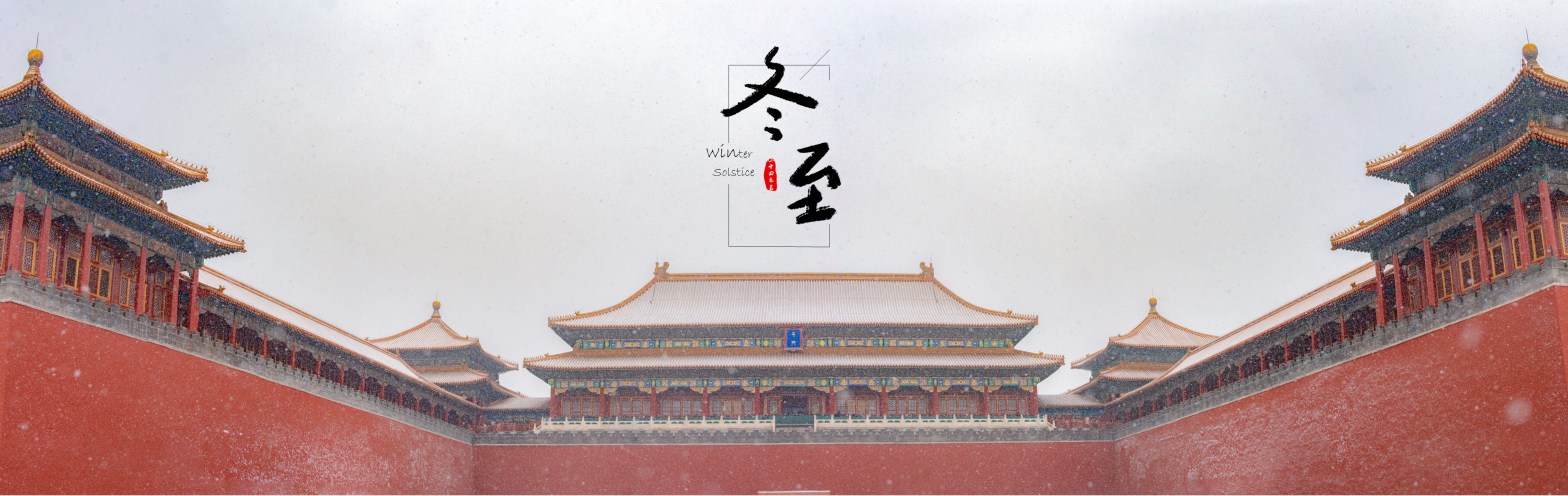
Chinese people are in touch with the rhythm of the season. The rhythm is solar term, a symbol of phenological change. And the spring, summer, autumn and winter are marked by Vernal Equinox, Summer Solstice, Autumn Equinox and Winter Solstice respectively. Winter Solstice, also known as December Solstice or Winter Solstice Festival, is the shortest day of the year and marks the official arrival of winter. In long years, unique customs in every solar term are developed gradually in different regions in China.
‘My mother will tell me go home early and not to wander around as according to the Yin and Yang theory in traditional Chinese culture, the night belongs to Yin. Winter Solstice has the shortest day time within the whole year, so this day represents the extreme of Yin.’ Said by Isaiah, ‘Thus, my family and I will visit family graves and sweep the tombs to honor my grandparents on Winter Solstice, this day is also a day of family reunion and mourning ancestors.’
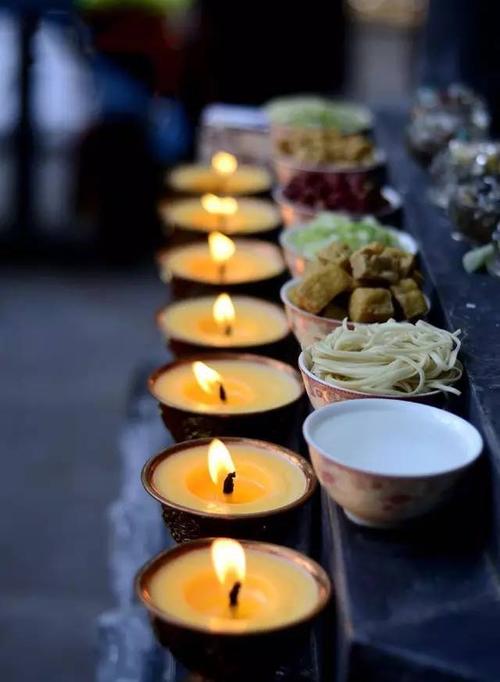
Chinese people living along the Yellow and Yangtze rivers conform to the thousand-year traditions of their ancestors. They worship their ancestors on Winter Solstice to honor their ancestors and hometown, which are likened to the “root” of the people in Chinese culture. Chinese believe that people know where they should go only when they know where they come from. Chinese culinary culture enjoys a long history so a sumptuous feast of reunion is also a tradition when people go back home and spend time with family on this day.
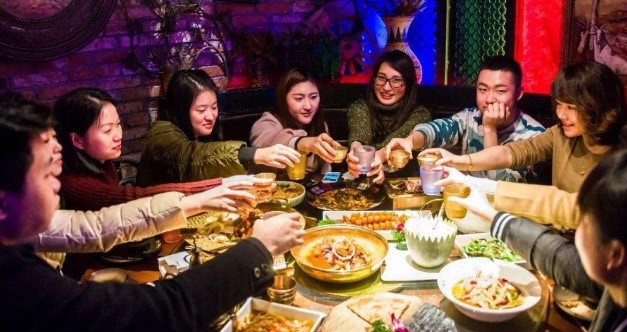
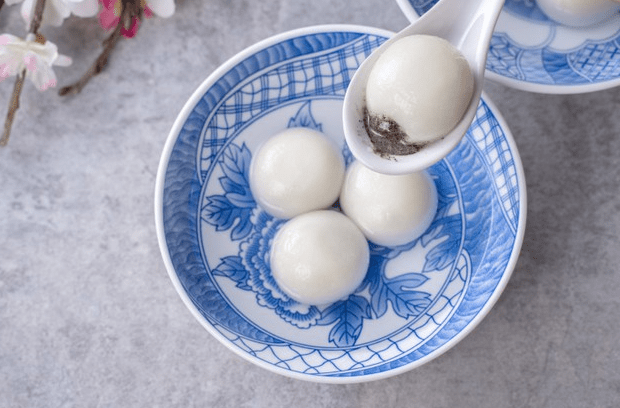
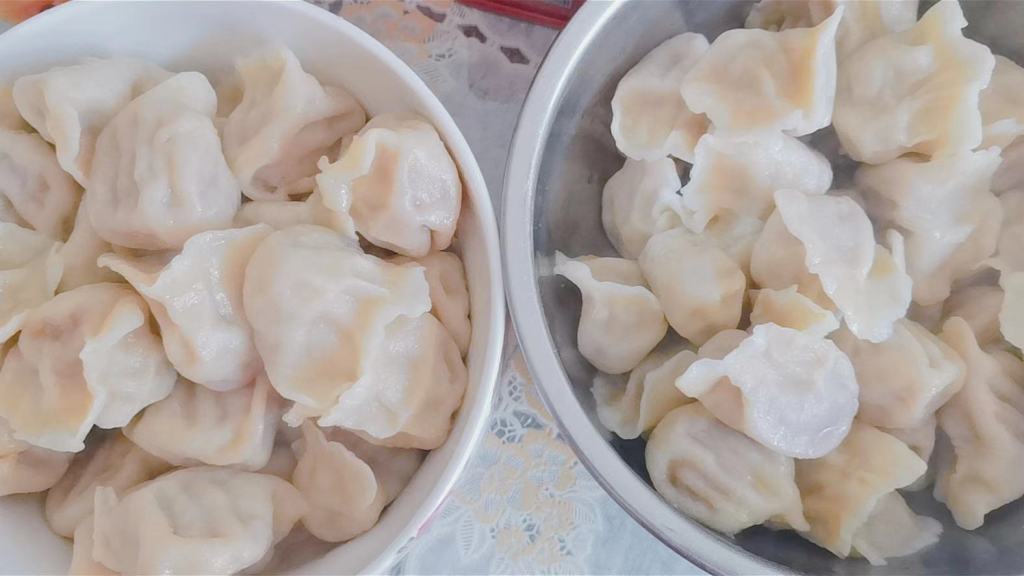
People in China reward themselves with a simple way –a nice meal– to store calories for the coming winter. People from north and south China have the same folk custom: eat mutton and drink mutton soup. Tender meat and steaming soup not only satisfy the taste buds and stomach, but also give people courage and strength to brave the cold and overcome difficulties. In northern China, people eat dumplings on Winter Solstice. This wheaten food with a thin wrapper and rich stuffing can greatly provide people happiness and satisfaction. While in the south, people prefer wonton and tangyuan, which has a similar pronunciation with “tuanyuan”, meaning reunion in Chinese.
‘It is a custom in China for people to eat dumplings on Winter Solstice. As an old saying goes, Winter Solstice arrives, so let’s eat dumplings. On this day, my family will sit together to make dumplings and I will be so pleased to eat delicious dumplings made by my own.’ Alber is from Shenyang, north of China. Dumplings are almost the most popular traditional food in Shenyang.
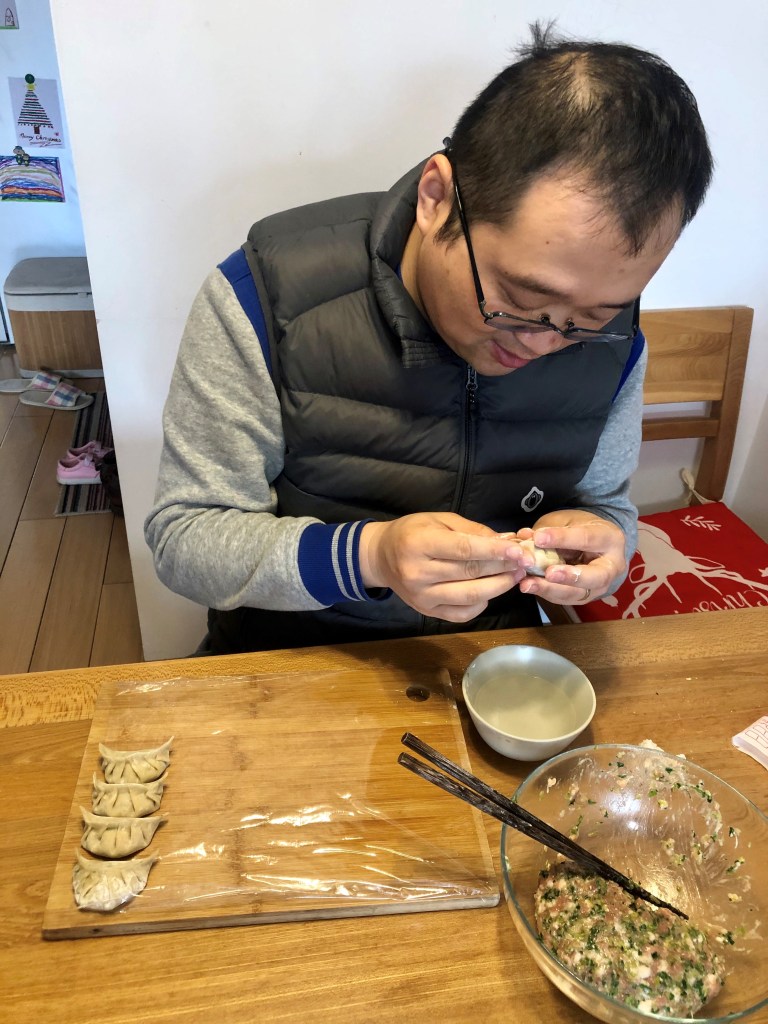
Meanwhile, Xiaomeng, from Shanxi Province also shares about her Winter Solstice memory in her hometown, ‘Shanxi is a northern province in the Central Plains of China. Winter Solstice is the shortest day of the year in the Northern Hemisphere and marks the official beginning of winter. It is said that Winter Solstice is the coldest day in the year and the custom in my hometown is eating dumplings. Elders often say that your ears will be frozen off if you don’t eat dumplings on this day. In other words, eating dumplings can keep your ears warm. This is because the dumplings are shaped like ears. So I am sure you can guess how many dumplings we should eat on Winter Solstice. My hometown is known for mature vinegar. I prefer dumplings which have just been cooked and dumplings taste better if dipped in vinegar. Now I am studying in Shanghai and what I most miss is the flavor of hometown in my memory. My parents will remind me to eat dumplings on this day. So as for me, this special and interesting custom on Winter Solstice not only expresses people’s hopes and wishes in my hometown, but also shows parent’s love and caring.’
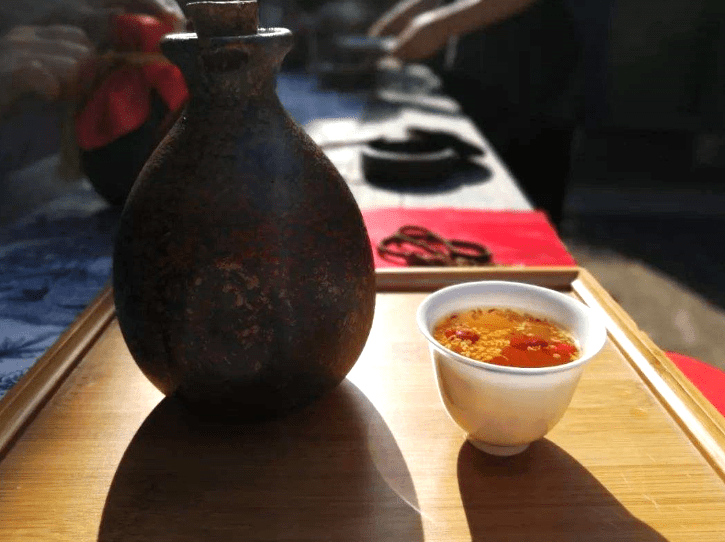
Chinese Dietary Culture is extensive, profound, long standing, and well-established. In the fact, this culture is beyond its characteristics of food itself in China. In the southern area, people celebrate Winter Solstice in their own unique way. Huan shared with us about the way her family way celebrate this traditional holiday. ‘My hometown, a land of rice and fish, is located in the middle-lower reaches of Yangtze river and is one of the main grain areas in China from the Song dynasty. People often brew wine from glutinous rice so this wine is called as Dongyang Wine. The most famous wine is Suzhou’s osmanthus wine. The smoothness of the glutinous rice and fragrance of the sweet-scented Osmanthus coordinate perfectly, leaving a unique and refreshing sensation in the mouth. This flavor captures people’s love. Since the most authentic Dongyang Wine is only available on Winter Solstice with rare production, people wait in line for the shop to open from the wee hours. Some will be happy to get the wine, while others will have to wait another year. Whether or not you are a lucky one to get Dongyang Wine, becomes an expectation and joy in life.’
Julie, who joined the UGG team recently, also shares her special joy and wishes for Winter Solstice this winter, ‘Without delicious hot dumplings or soft sweet tangyuan, Winter Solstice in my childhood means the happiness of family reunion, respect to my ancestors, delicacy of a wonderful dinner and expectations for new year. This is a moment of peace and joy and traditional custom on this day shows a good wish. Winter Solstice in this year will arrive with temperatures of 7 degrees, however, as for me, this winter has brought a special temperature as I joined our warm UGG family. I couldn’t believe that a person who used to love warm temperature like me will be so eager to see the temperature fall, because the colder it gets, the crazier we sold! I wish a happy Winter Solstice and all my best wishes to UGG!’ Although the pace of modern life is faster than ever today, Chinese traditional customs in solar term still remains in people’s heart. People interpret the life’s romanticism and inherits Chinese civilization by the long-lasting of custom. Ancient custom serves as an emotional bond of the Chinese nation and becomes a symbol of a sense of national identity in countless Chinese descendants from all corners of the world, bearing the same common culture. These customs will continue for generations, and the special meaning of Winter Solstice will remain forever in people’s heart.

 Deckers Careers