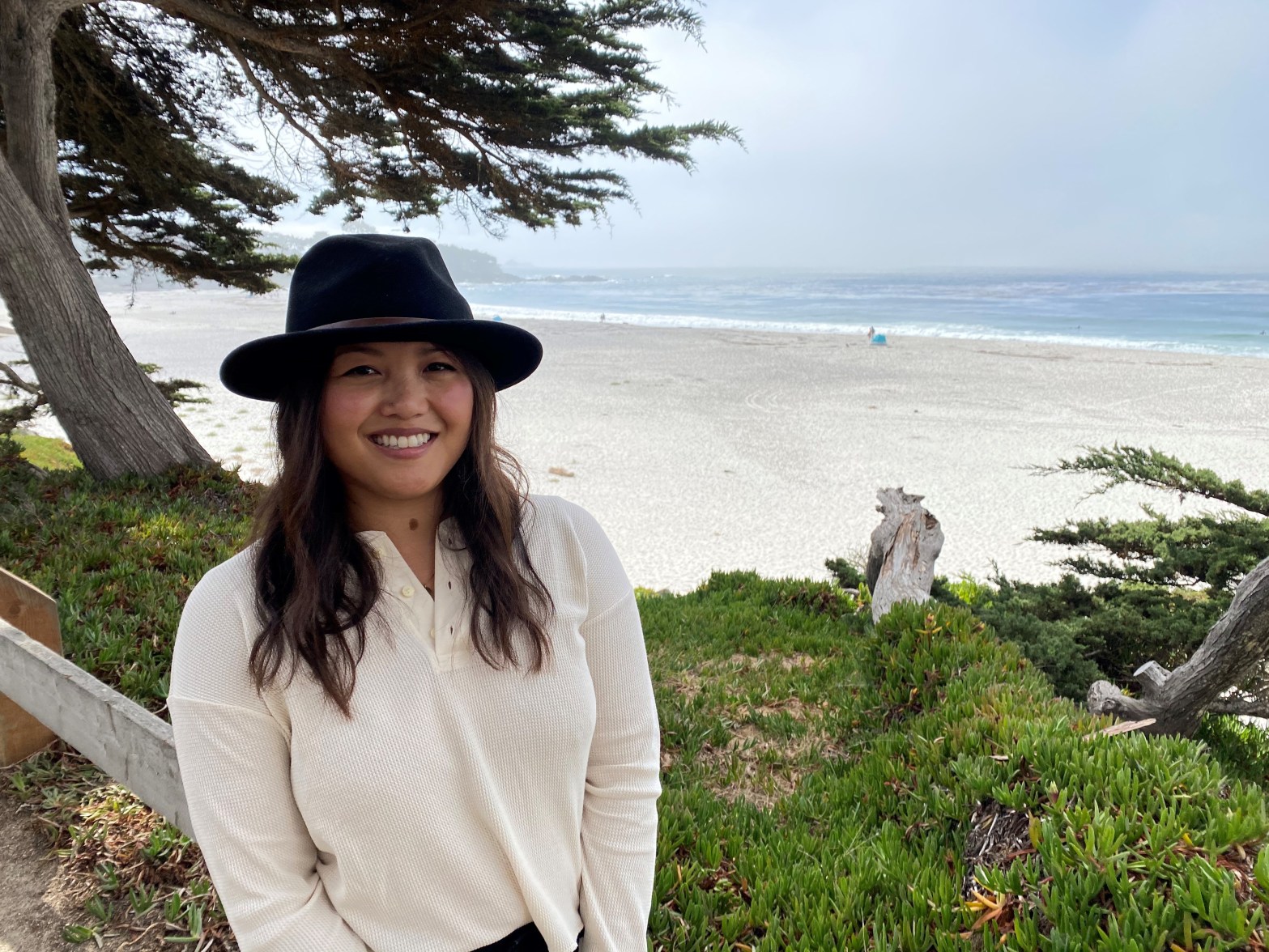
- How do you like to honor your cultural roots?
- All the food! As an adult I’ve had many culinary adventures recreating cultural dishes from my Vietnamese heritage and childhood.
- What dish or dishes symbolize your heritage best and who first made them for you?
- My mom’s side of the family is from the Huế, home to the ancient capital in central Vietnam. The Huế dialect is uniquely different and the twangy accent that caused me a lot of headache and misunderstanding growing up makes me appreciative now. Bún Bò Huế, a spicy, salty, herby noodle soup that takes hours and hours to make, gives me all those feels. It reminds me of my maternal grandmother, who raised a dozen children, built her own business and was the strongest perspn I’ve known.
- Can you share a story about someone from the community who has influenced or challenged you to become your best? (Family, friends, celebrities, artists, etc.)
- Where to start? My mom was a child when her mom told her they were going on a family vacation. My mom packed some art supplies and bathing suit when really the family was headed off to a small boat to flee their ancestral homeland. They ended up in California and built a whole new life. I think of her resilience and strength as a source of inspiration.
- Do you have recommendations for your favorite film or television shows featuring AAPI stories?
- Anything Bruce Lee
- Anything Studio Ghibli, but especially My Neighbor Totoro
- Oldboy and The Handmaiden, both directed by Park Chan-wook
- Warrior on HBO
- Killing Eve
- Books that deeply impacted me –Minor Feelings, The Sympathizer.
- Why is May a significant month for the AAPI community?
- Representation matters! It’s important and meaningful to highlight the narratives and histories of the AAPI community. It’s an opportunity for exposure, education, and outreach to celebrate and help the community.
- How can non-Asian Americans and Pacific Islanders, celebrate AAPI Heritage Month?
- This is especially vital to our community right now. I took the following summary bullet points from this article here.
- Check in on your AAPI friends, peers, relatives and colleagues.
- If you witness or notice anti-Asian sentiment at any time, take action and confront it.
- If you have the financial flexibility, donate to AAPI organizations
- Educate yourself. Seek informed resources that amplify Asian voices and recount the history of anti-Asian sentiment in the U.S. Asian narratives are often overlooked, excluded, or devalued in American culture. They are also generalized. The experiences of Asians are reflective of the diversity of the Asian continent — a vast expanse of innumerable cultures that cannot be simplified to a single Asian experience. Now is a valuable opportunity to provide a platform for a wide range of Asian experiences to be appreciated and heard.
- Support Asian-owned local businesses.
 Deckers Careers