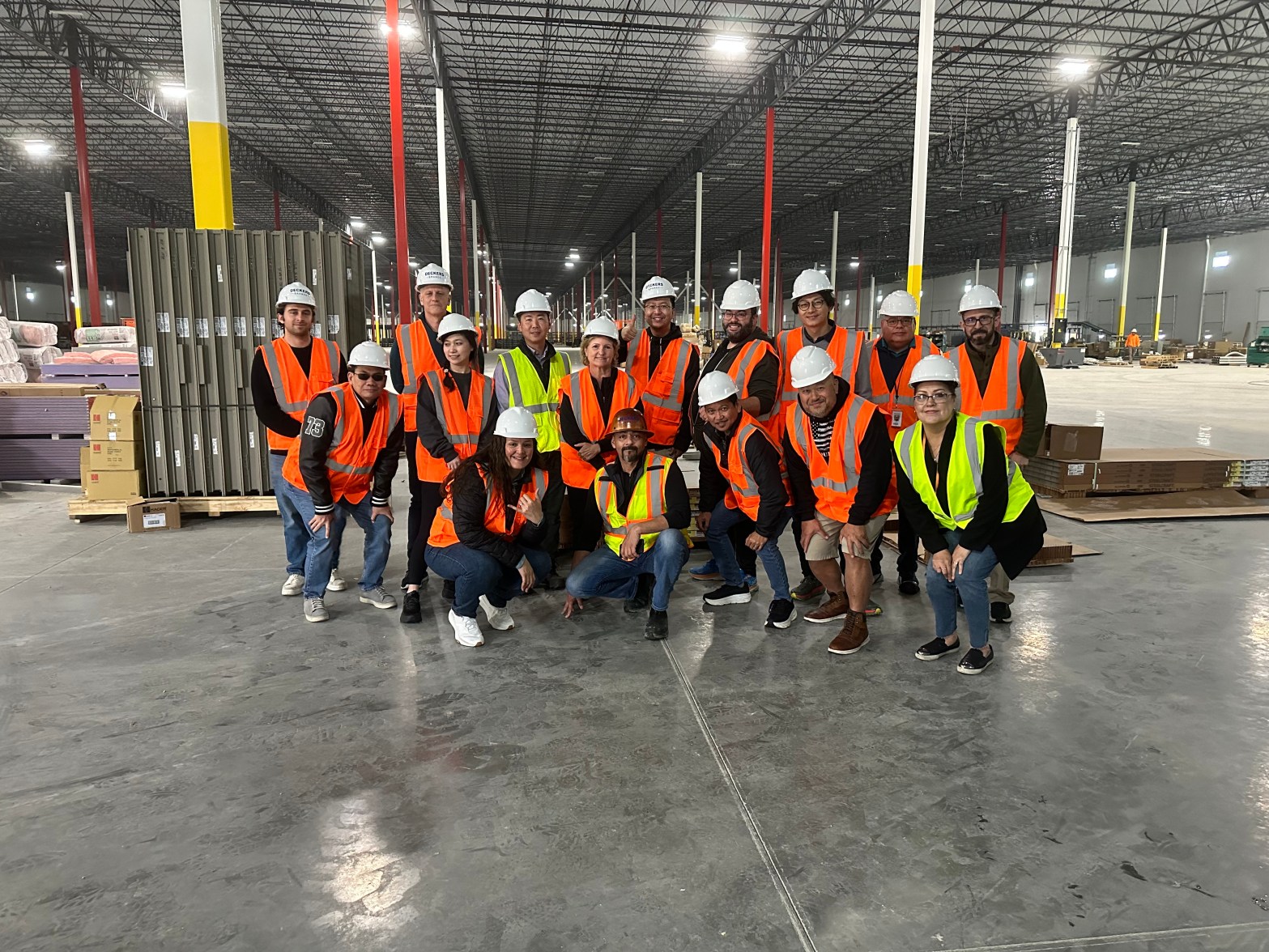
As we wrap up AANHPI Heritage Month, it is essential to recognize the inspiring individuals who bring their unique perspectives and cultural backgrounds to the forefront of the industry. Angela Ogbechie, Chief Supply Chain Officer, stands as a remarkable example of a leader who not only represents her Samoan culture but also embodies the principles of service, authenticity, and inclusivity in her role. We asked Angela some questions to hear more about her background and ethos.
1. As a Samoan executive leader at Deckers Brands, what does it mean to you to represent your culture and community within our industry?
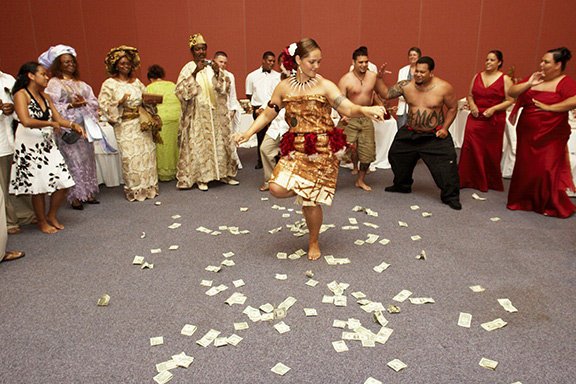
It is an honor to represent my Samoan culture and community in any context. However, my promotion to the executive level, particularly with the title “Chief,” was truly impactful and quite emotional for me. Chiefs are a cornerstone of Samoan culture (or Fa’a Samoa—the Samoan Way). The Samoan word for chief is matai. As leaders of villages and extended families, the matai has a responsibility for not just the administration of the village, but also for maintaining respect, keeping traditions, and ensuring the well-being of their people. The matai title, while prestigious, is primarily about service and representation, not about power and position.
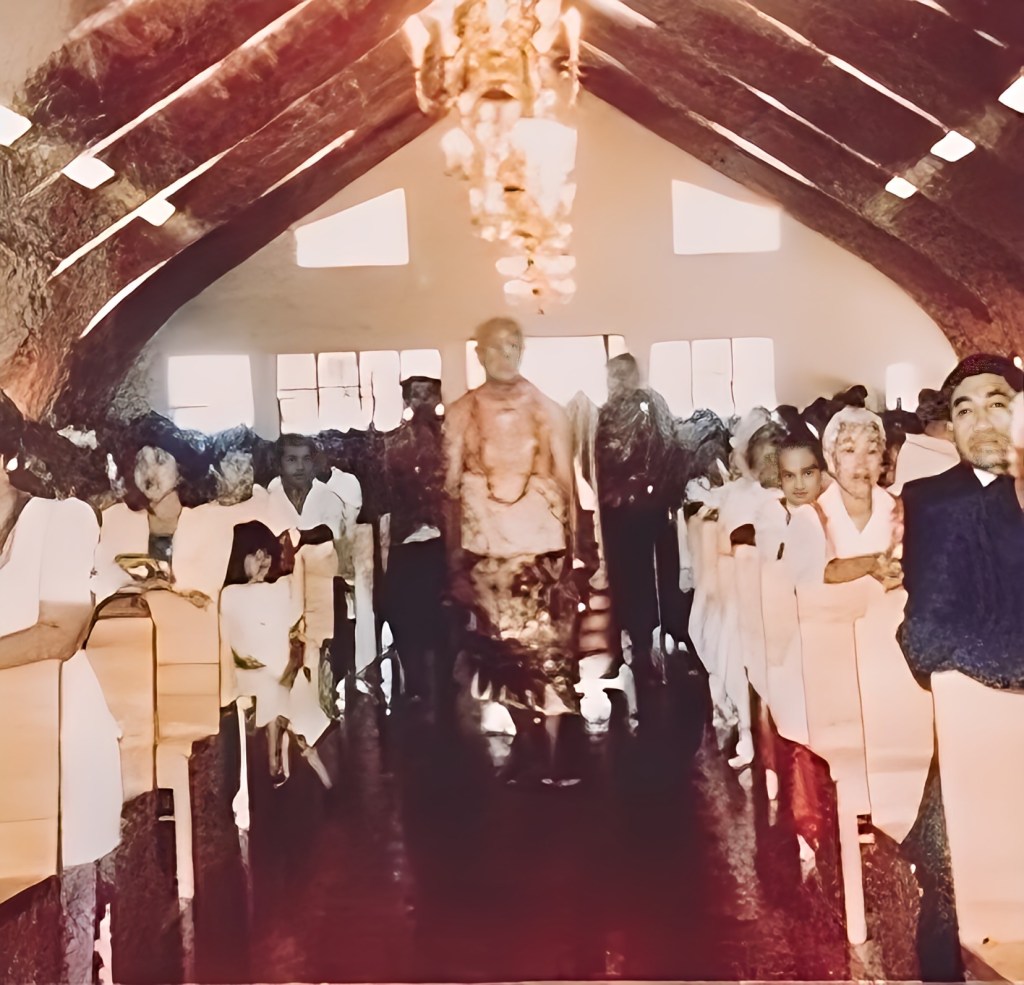
I was raised by my paternal Samoan grandparents and my grandfather was a Matai Ali’i (High Chief) of his village in American Samoa. Although at formal gatherings he was always served first and no one could eat until he ate, what stuck with me most as a young child was watching him navigate difficult political decisions with fairness—whether that was settling land disputes or figuring out how and when to best support his village. He was most proud of building a church in and for his village, and when you understand the other important Fa’a Samoa cornerstones of faith and community/extended family, you understand how important and impactful this was and continues to be, long past his passing and for generations to come.
I strive to not only represent my culture and community, but to lead as Samoan culture has taught me—with service, purpose and impact, as expected of a matai.
2. What did it mean to you to see representation at the executive level when you first started your career?
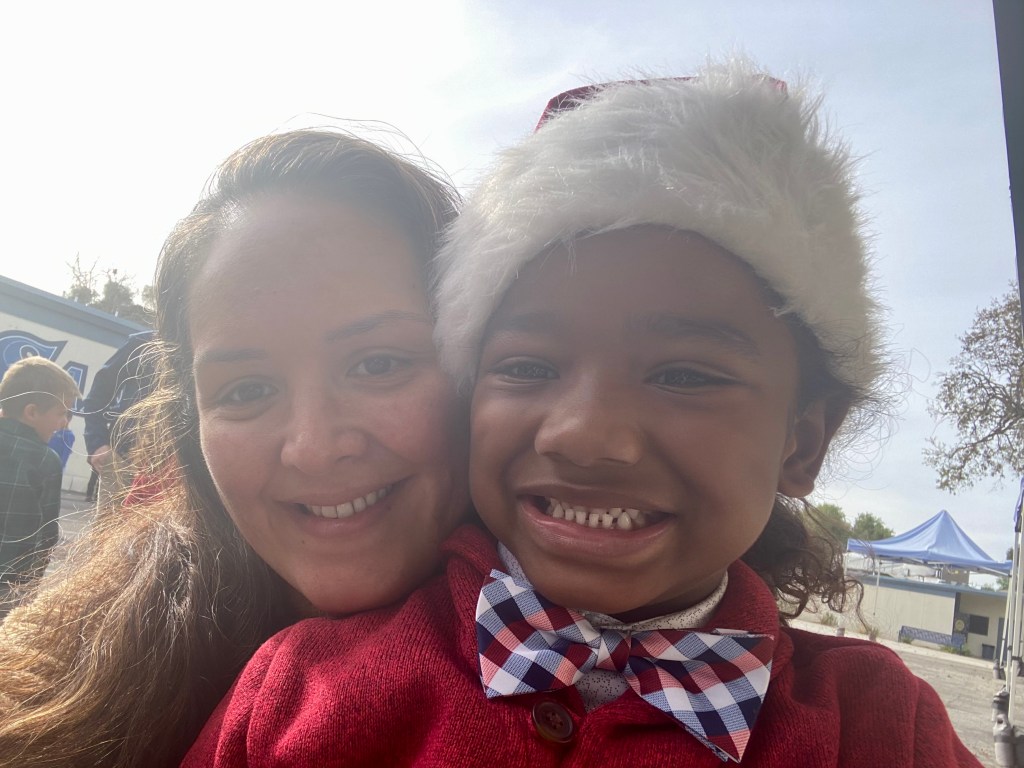
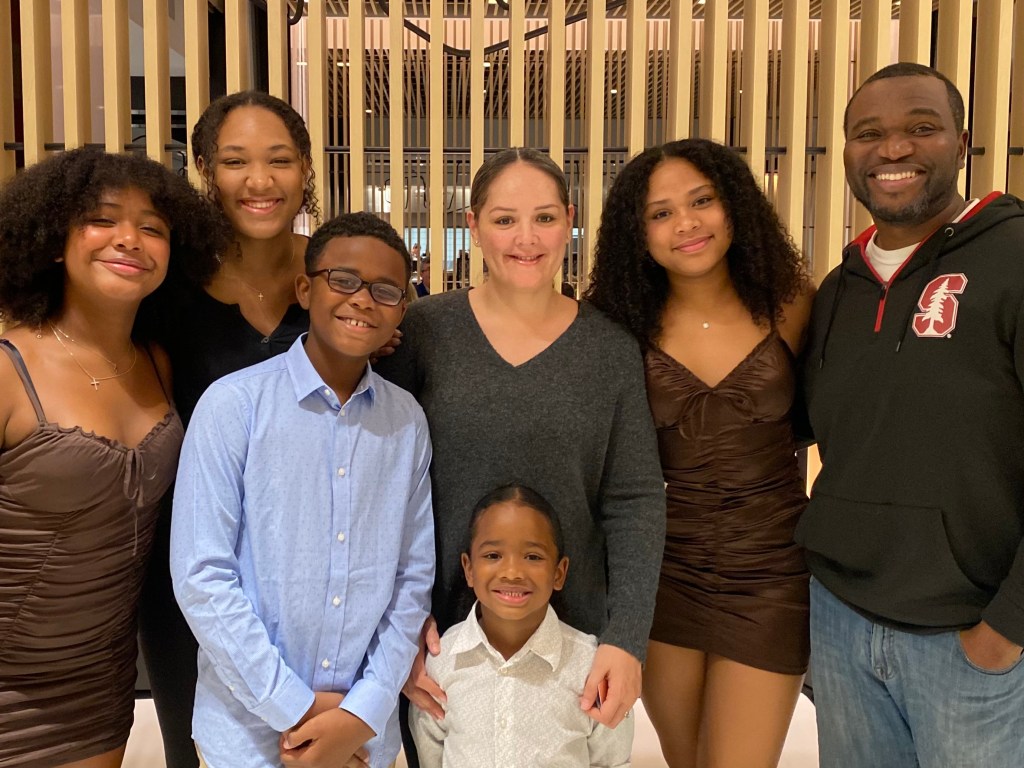
I get excited, inspired, and encouraged whenever and wherever I see representation, and probably more so now than when I first started my career because I understand the impact. Representation matters, period, full stop. I can give you a recent personal example. My husband is Nigerian, and we have five children, ages 16, 14, 12, 10, and 5. During the holiday season, I discovered Target’s inclusive holiday collection and purchased various items from it, like angel tree ornaments of different skin colors and cookie plates with Black Santa. When I got home, one of my teenage daughters, partly annoyed that she had to unpack and wash the new items, provocatively asked me why I bought so much of it. I retorted that it mattered to me. Almost as if it was scripted, my 5-year-old son, excited to see what was new, looked at the Black Santa cookie plate and said the following, “That Santa is brown like me! So, I can be Santa when I grow up?” My husband, without missing a beat, yelled in his booming voice, “And THAT is why!”
When I clicked on the UGG website over a year ago and surprisingly saw award-winning choreographer Perris Goebel (of Samoan decent) as the face of the Feel You campaign, highlighting her strong Polynesian body and thick, muscular legs, I almost cried with joy! When I walk into a board meeting and see one of our board directors, Maha Ibrahim (female, of Egyptian descent), sitting at the table with curly hair and no makeup, showing up as her authentic, natural, and powerful self, I immediately identify with her and my feelings of insecurity of not “fitting in” are disarmed, allowing me to focus on impact.
Representation matters, consciously and subconsciously, and for both emotional and rational reasons. Period. Full stop.
3. How have your personal experiences informed your leadership style, and what steps do you take to create a more inclusive work environment for your employees?
Honestly, I feel like I have a competitive advantage, particularly as a servant-leader, because of my Samoan culture. We learn as small children how to serve, we learn and respect hierarchy, roles and responsibilities, and tradition, and we learn accountability to a larger family and community. So, culture has shaped who I am and my leadership style. Without writing a book, I would also include being a mother of five children while building a career, being abandoned by parents as a young child, being part of a competitive family and playing team sports and having a foundation of faith and being part of a supportive family and community. All these experiences have taught me grit, perseverance, and perspective to allow me to lead the way I do.
In terms of creating an inclusive environment, it is difficult for me to describe “steps,” because it is natural for me to be inclusive. As described earlier, my mindset and ethos are around building and serving my family, my team, and my village. In addition, through my faith, I’ve been taught to love people as and where they are, which corresponds well with Deckers’ value of “come as you are.” When you put these things together, it lends itself to an inclusive environment that I hope our employees feel daily.
4. Can you describe a time when you felt especially proud of your identity as a person of color, and how does that sense of pride inform your work at Deckers Brands?
Every day I am blessed to wake up, I am proud to be Samoan, a person of color, and afatasi! In Samoan, afatasi means half of one. My maternal side is Irish/Scottish/English, but I didn’t know anyone from that side, which is why I identify so strongly with being Samoan, as that is how I was raised and who I was raised by. (And, THAT is why identity matters, regardless of how others categorize you!)
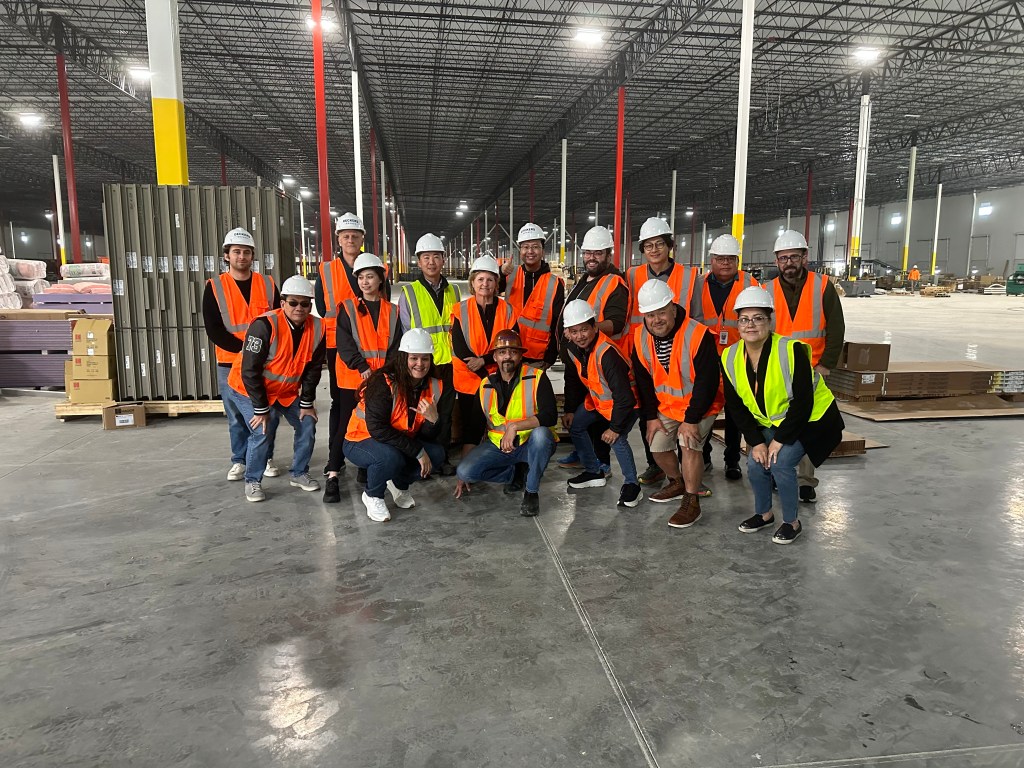
This amount of pride gives me the privilege of wanting to celebrate others and their identities because I understand the importance and embrace the opportunity. I am extremely grateful to be the leader of the Supply Chain in particular, which is incredibly diverse from a cultural, socio-economic, age, gender, and country of origin perspective. I get joy out of seeing others show up as their authentic selves and celebrate their identities (in a respectful way). For example, for Asian American & Native Hawaiian/Pacific Islander month, I posted on our internal company Teams channel an “ethnicity roll call” that allowed others to celebrate their AANHPI backgrounds and stories. Of course, the whole village was invited, not just AANHPI folks. The response was overwhelming and incredibly touching—some shared recipes, one volunteered to cook for everyone knowing it would make their mom proud, one recognized the sacrifice of their parents who immigrated via a refugee camp, etc. Each story was different and incredible!
5. In your opinion, what is the most important lesson that the industry can learn from AANHPI cultures and communities, and how can this lesson be incorporated into business practices?
That is an extremely complex question, and I can analyze it from both the supply and the demand side of the equation when I think through business impact. I guess I would sum up my lesson as, “Don’t sleep on AANHPI communities!” When you think through the backbone of the fashion industry’s supply chain, it is mainly built by Asian communities. From a demand side, you cannot deny that one of the most influential influencers of our time is Dwayne “The Rock” Johnson (of Samoan descent). The AANHPI community is hugely diverse but equally as powerful—take care of and pay attention to them! (Breaking News: the new American Idol is of Samoan and Tongan descent and from Hawai’i.)
6. What legacy do you hope to leave behind as an AANHPI executive leader, and how do you hope to inspire future generations of AANHPI professionals?
I hope to leave behind a legacy of authentic, value-based, inclusive leadership, which allows for and inspires individuals to show up as their authentic selves and thrive. I hope my example serves as an invitation for AANHPI and non-AANHPI professionals alike to lead with authenticity and care.
7. What advice would you give to young AANHPI professionals looking to break into our industry and achieve leadership positions?
Be the exception! In a lot of cases, you may not see many people that look like you or share the same background as you in certain parts of our industry or in leadership positions, but that is okay. Operate as the exception, knowing that being one of the few is a position of strength—people don’t know what to expect and you will likely bring something unique to the table. It is that uniqueness that creates value—be you!
 Deckers Careers