At Deckers Brands, we are committed to fostering a workplace where every individual thrives through our Employee Experience Pillar, “Together in Holistic Wellbeing.” This month, in honor of Mental Health Awareness, we are proud to spotlight Dustin DeWitt, a passionate advocate for mental wellness within our Deckers community. In this Q&A, Dustin shares his journey and insights into promoting mental health, the impactful role of the Healthy Minds employee resource group, and his personal experiences in navigating his son’s ADHD diagnosis. Join us as we delve into Dustin’s dedication to creating a supportive, inclusive environment that champions holistic well-being for all.
1. As an advocate for mental health at Deckers Brands, how do you help promote mental wellness and holistic well-being within the company?
I try to remind myself and others that it’s good to take breaks and do something positive for yourself. Simply the act of stepping away for a minute can feel like a task at first. Like forming any good habit, it takes time and mindfulness to make the changes consistent.
2. Can you tell us more about the Healthy Minds employee resource group at Deckers Brands and the role it plays in supporting employees’ mental health?
I didn’t know much about the employee resource groups. I discovered more about them and started attending meetings during the pandemic.
It’s nice to feel like we can speak transparently in these meetings and it’s rewarding to have people hear and support each other.
3. How does the Healthy Minds ERG contribute to creating a supportive and inclusive work environment for employees dealing with mental health issues?
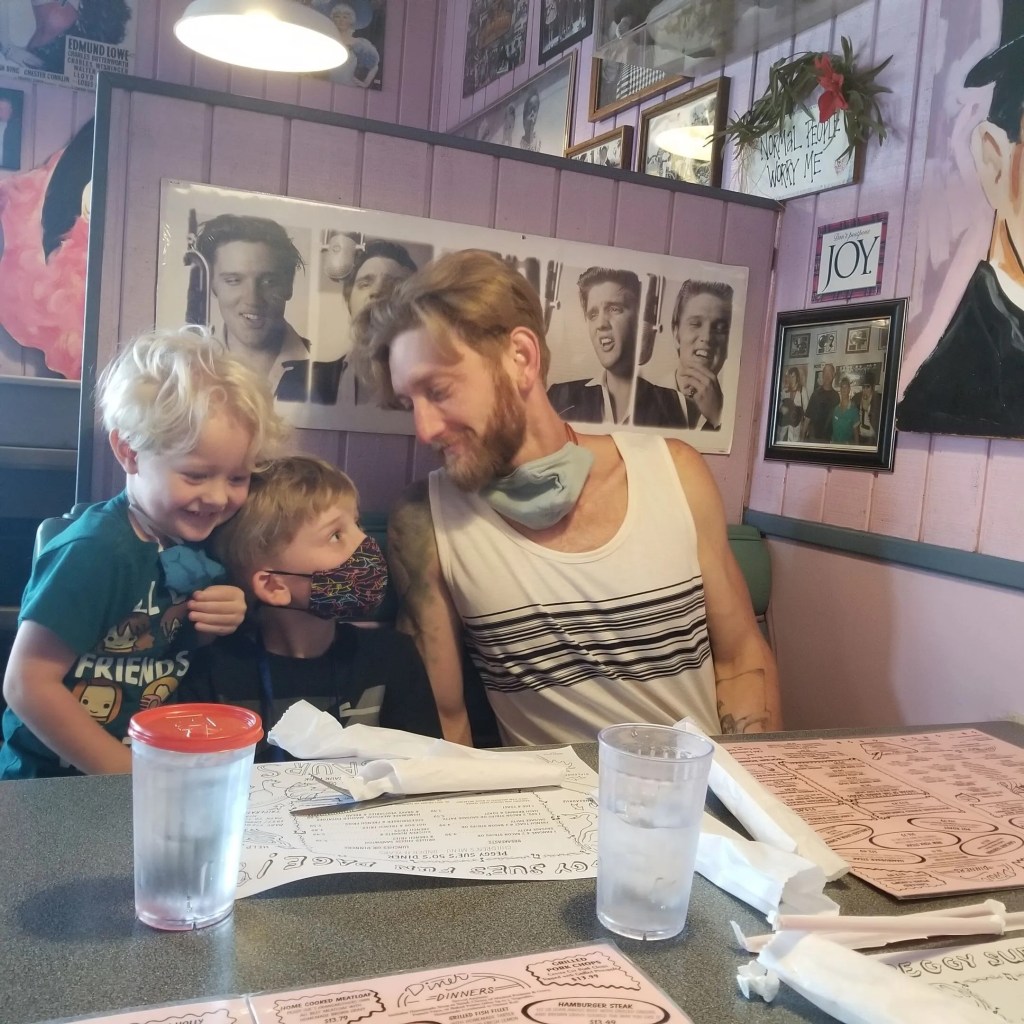
These meetings provide a safe space to share and connect with others. It’s valuable to have the support of your peers and to feel heard.
4. Dustin, can you share your journey in advocating for your children’s health and wellness, particularly in navigating your son’s ADHD diagnosis?
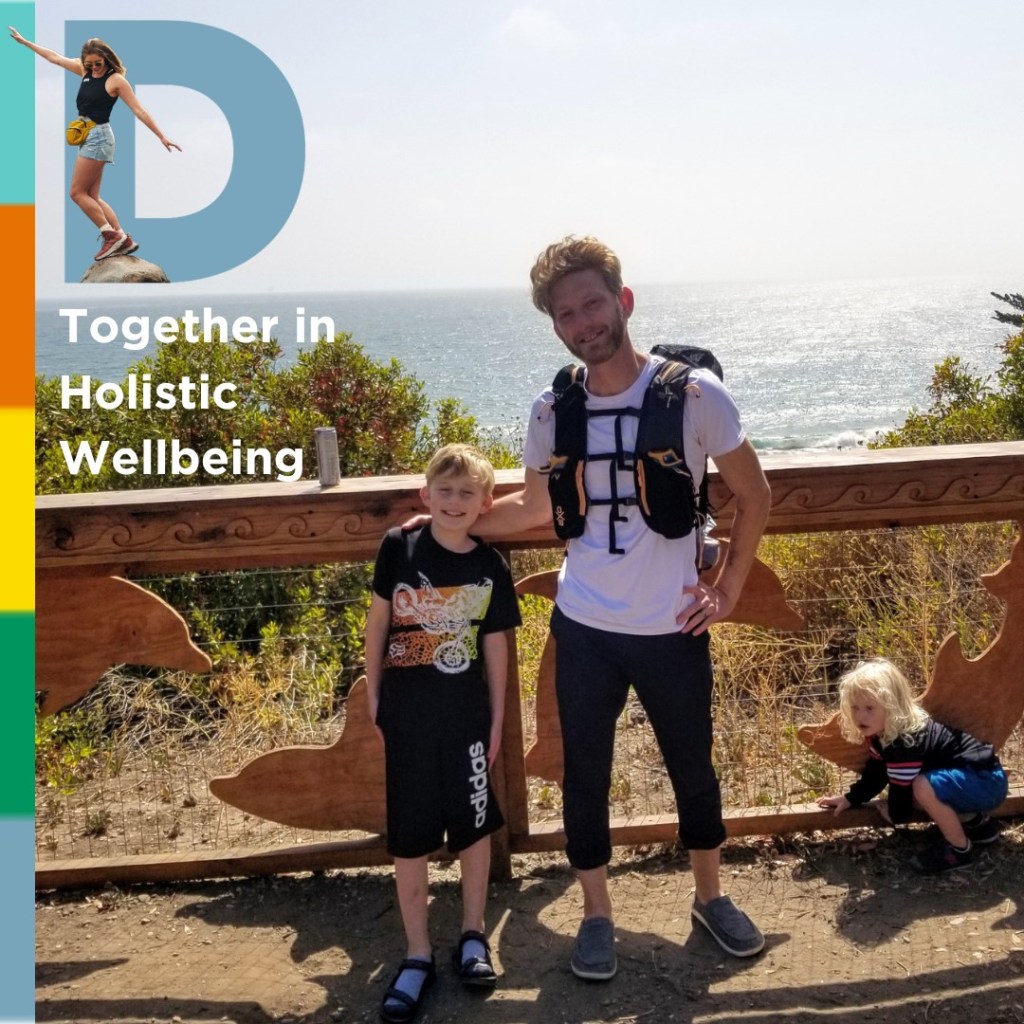
The most beneficial part was learning about the programs available for children with possible developmental delays. At first, his mother and I had to push back to have our concerns heard and addressed. There seems to be a tendency to be slightly dismissive of concerned parents. We learned about early intervention programs that sent a professional to come and sit with my son and assess him more accurately. Early intervention greatly impacted how we were able to support him and his development. Having access to these services enabled us with opportunities to aid in his development.

5. As a parent, what are some key pieces of advice you would offer to other parents who are supporting their children through similar diagnoses?
You know your kid(s) best and if you believe your child might have some developmental delays, don’t let them tell you no or that everything seems well enough. Advocate and push for testing and support. There are early intervention programs available to help with testing and is a free or discounted service.
6. How has your own experience being diagnosed as a child influenced the way you support and advocate for your children’s mental health?
I now know that there are programs available to help my children succeed. I get to help them understand why and how they can react to things because of this condition and how they can recognize and work with the different ways their minds work.
7. What were some of the challenges you faced growing up with your diagnosis, and how did you overcome them?
I had a bit of struggles growing up with ADHD and no support systems. I was only briefly on a medication and had success with it. My parents took me off the medication because they said I was too quiet. The messages from care takers in my life were difficult to hear over and over and really wore down my self-esteem. I was constantly told things like “You know better than this” “You can do better, if you just try harder” and many other similar phrases.
I later realized as a young adult that I would likely benefit from getting back on ADHD medication to help me to improve my focus and impulsivity. That was a bit of a process trying to find the right medication for me. I noticed a difference right away and I am grateful I was able to get the help I needed.
I also learned that physical activities help to reduce the restless feeling in my mind and body. Which has helped me learn how to recognize how to achieve more overall balance for myself.
8. You often refer to your diagnosis as your “superpower.” Could you explain what you mean by this and how it has shaped your approach to life and parenting?
With this I refer to the state of hyperfocus. With my ADHD I can get into an extremely focused state of hyperfocus. I get very locked into what I am researching or working on. I can stay in this state for hours and I delve deep into what I am focused on.
This can have negative effects such as forgetting to eat or getting irritated when the flow state is interrupted. This way of thinking enables me to think “outside the box” and come up with new and innovative solutions.
 Deckers Careers