Employee Spotlight: Diane Lee

Has anyone in your life influenced you to prioritize giving back through volunteering?  

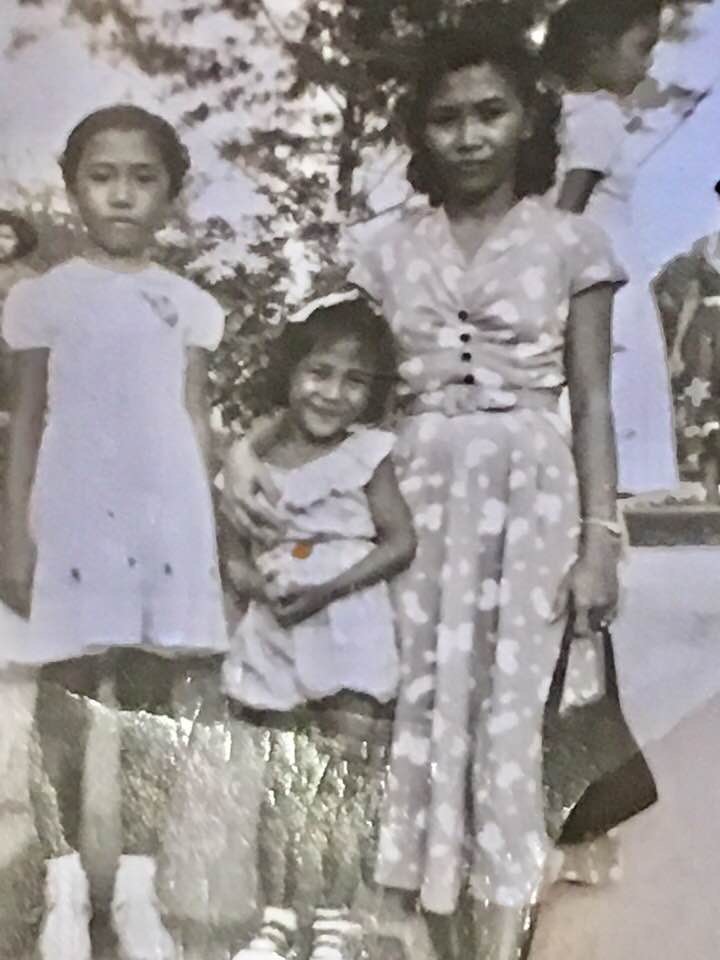
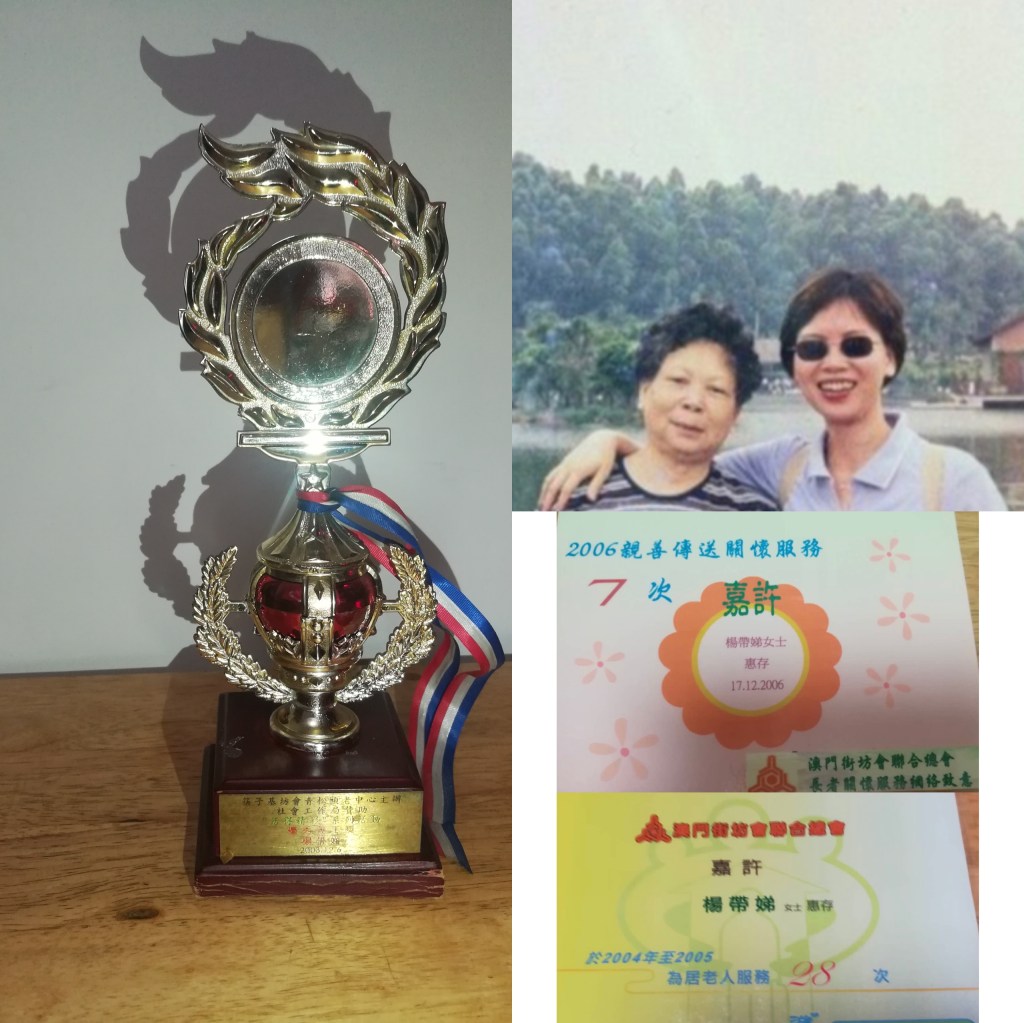
My mother influenced me to prioritize giving back through volunteering. My mom was a kind person, and my idol. When she saw elderly citizens in the street, she would buy them food and talk to them. She always visited the elderly people who lived alone and helped them clean their houses. When my mom was alive, she always helped people and received many medals and prizes from the Macau Government and charity associations during her volunteer journey.    
Share a memory of your first service/volunteering experience. 

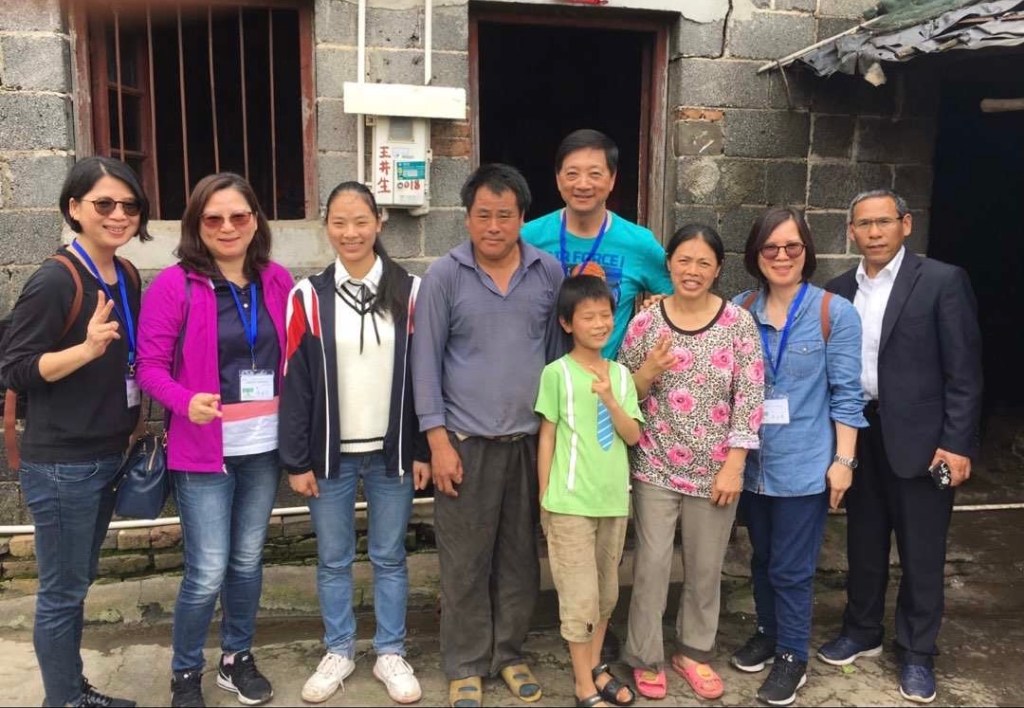
My first volunteering experience was in April 2019 when my two sisters and I visited a few families and their children who live in poor mountainous areas in Hunan, China. When we met them in their houses, we saw that their clothes were old and had holes. In this issue, we couldn’t help but have tears. They had sold their only cow to get a drinking faucet because previously they had to get water from a well far away from their house. After our visit, my sisters and I decided to sponsor three children from different families every year and donated a money as well. I have to say that was a very meaningful visit and holiday. 
How has our culture of doing good at Deckers impacted your involvement in   volunteering? 

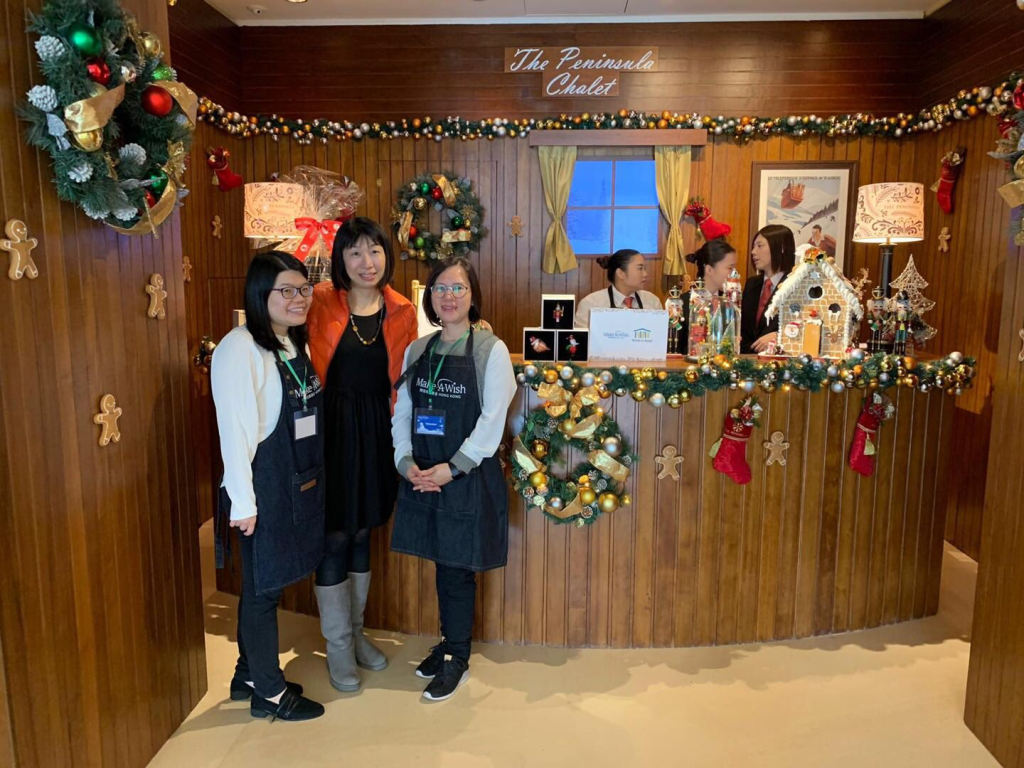
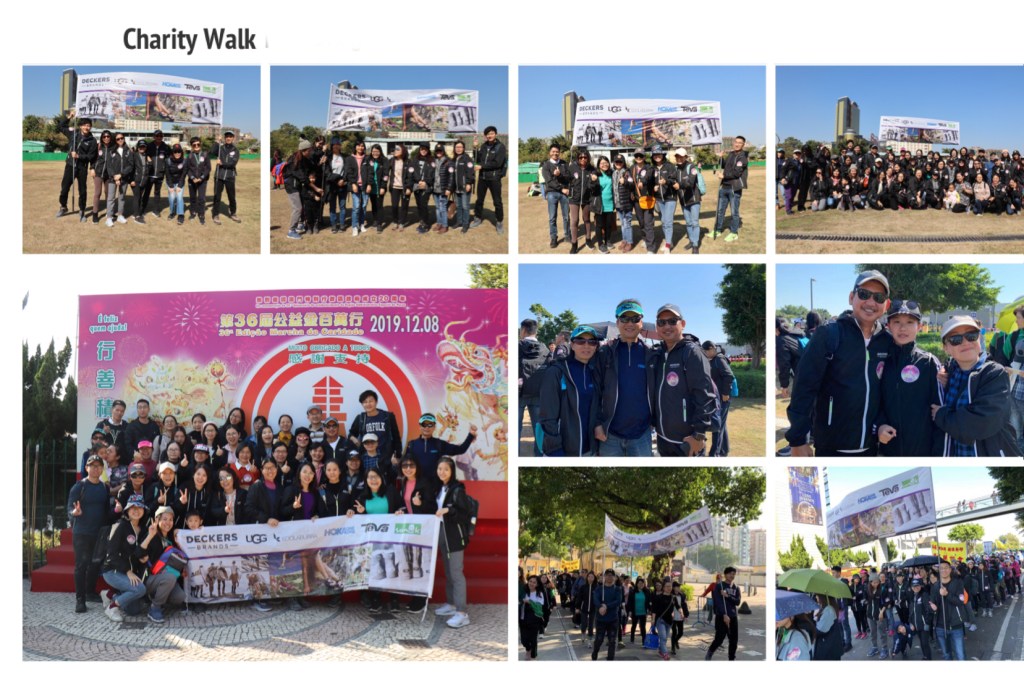
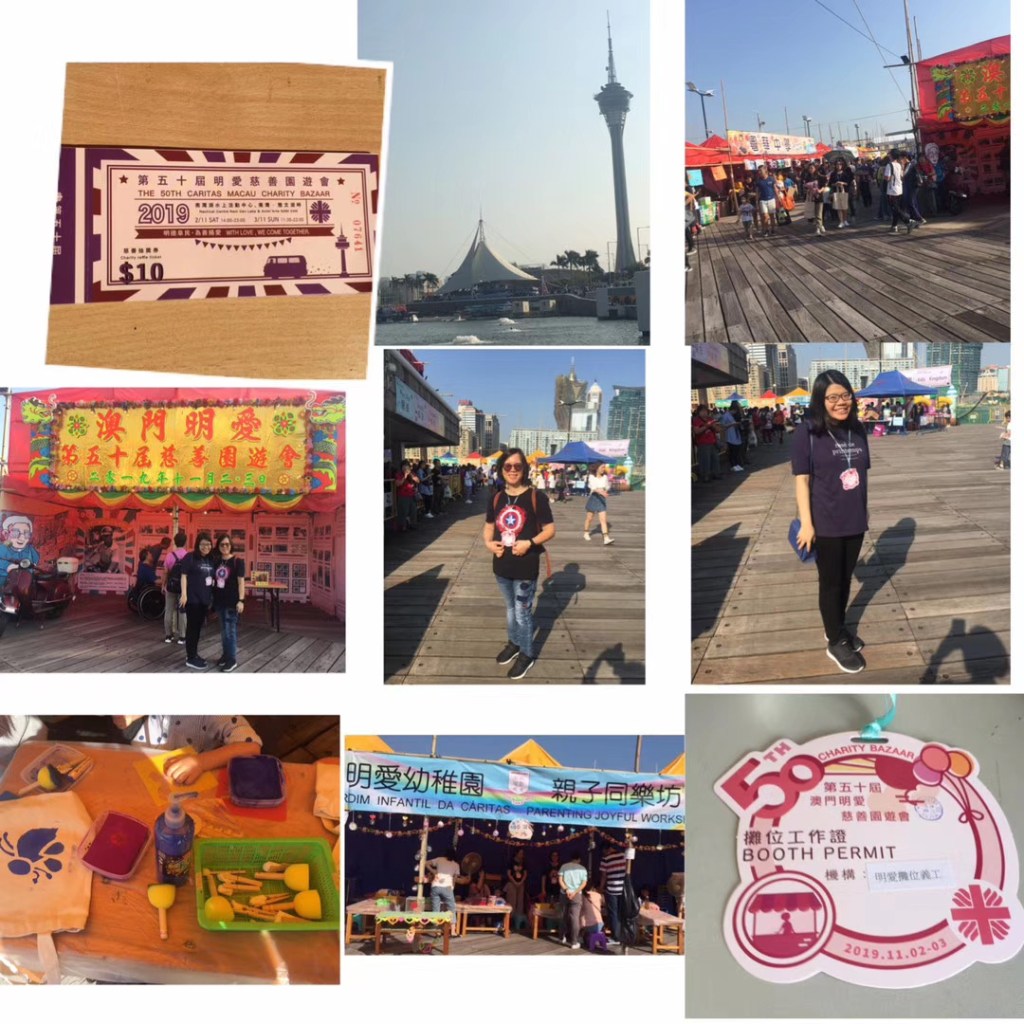
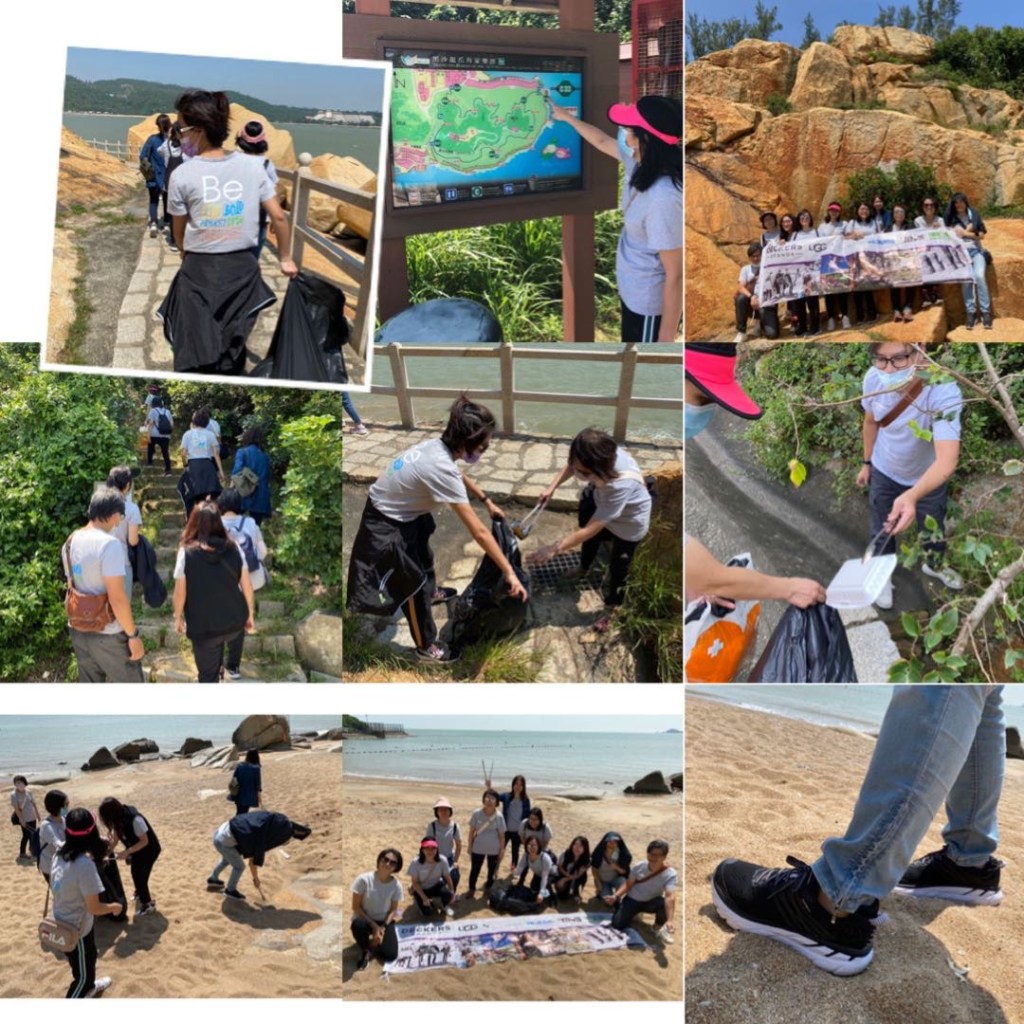
Deckers’ culture of doing good has impacted my involvement in volunteering. There are a lot of activities every year for employees to participate in, such as Art of Kindness, charity walks, beach clean-ups and Make a Wish events in Hong Kong. I am so proud to be a member of Deckers and lucky to have opportunities to participate and organize activities with my colleagues to help people. 
How often do you volunteer? 

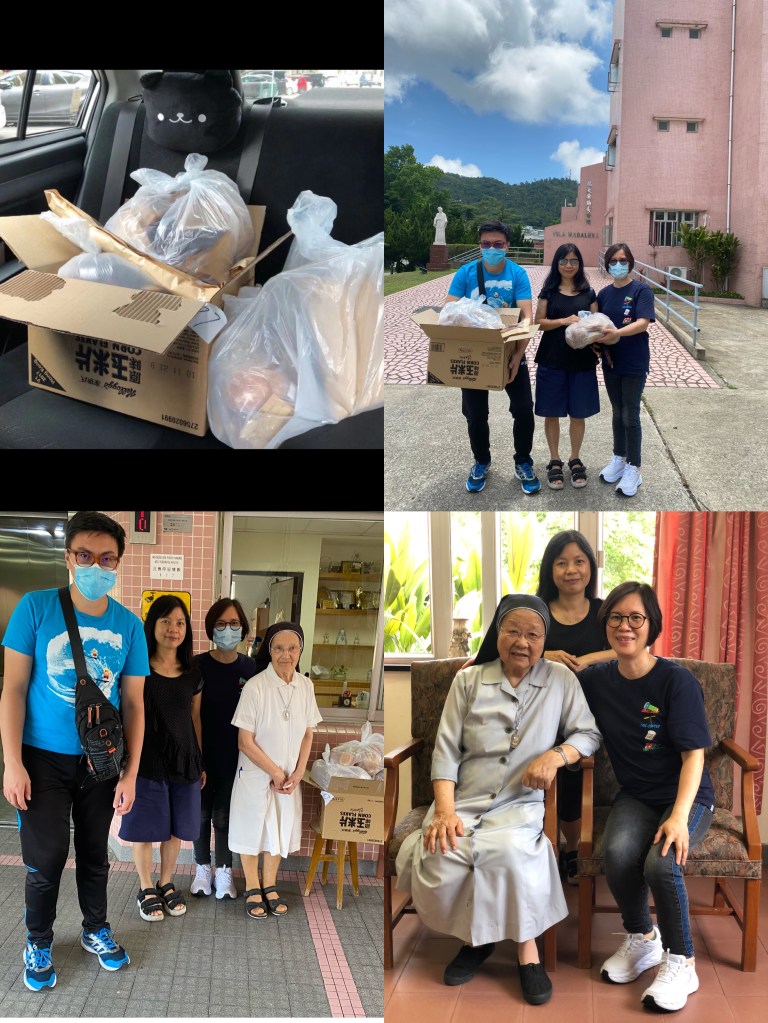
I have helped deliver bread to charity associations for the elderly, a psychiatric nursing home, the blind welfare association, and an autism children’s home at least two hours every Saturday since 2020. The bread is donated by a bakery owner who doesn’t want to waste his delicious and good quality bread. I feel so lucky that I have such opportunity to help people in our community in Macau. Through these activities, I can help people and made a lot of caring friends as well. 
How do you feel after volunteering? 

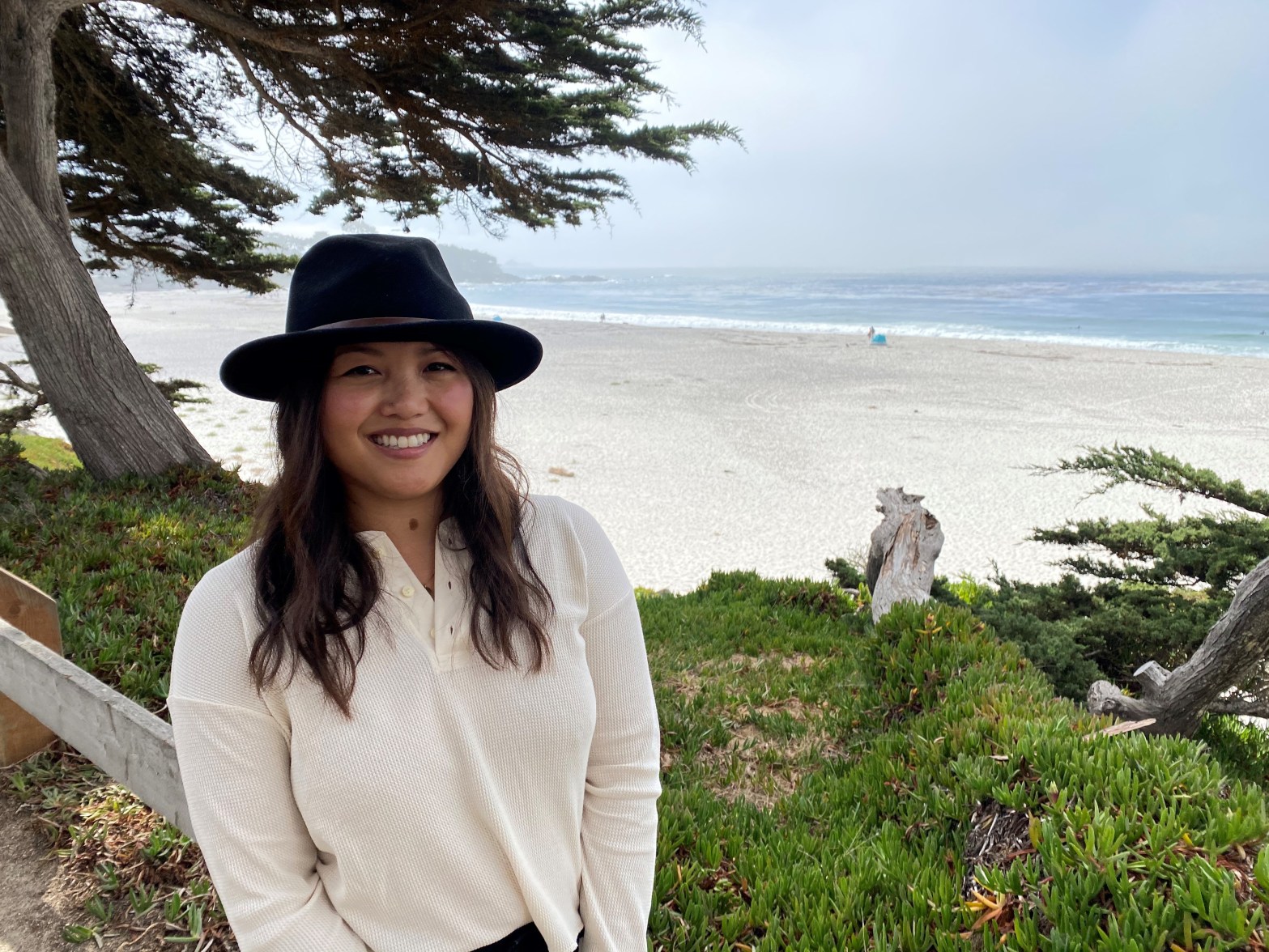
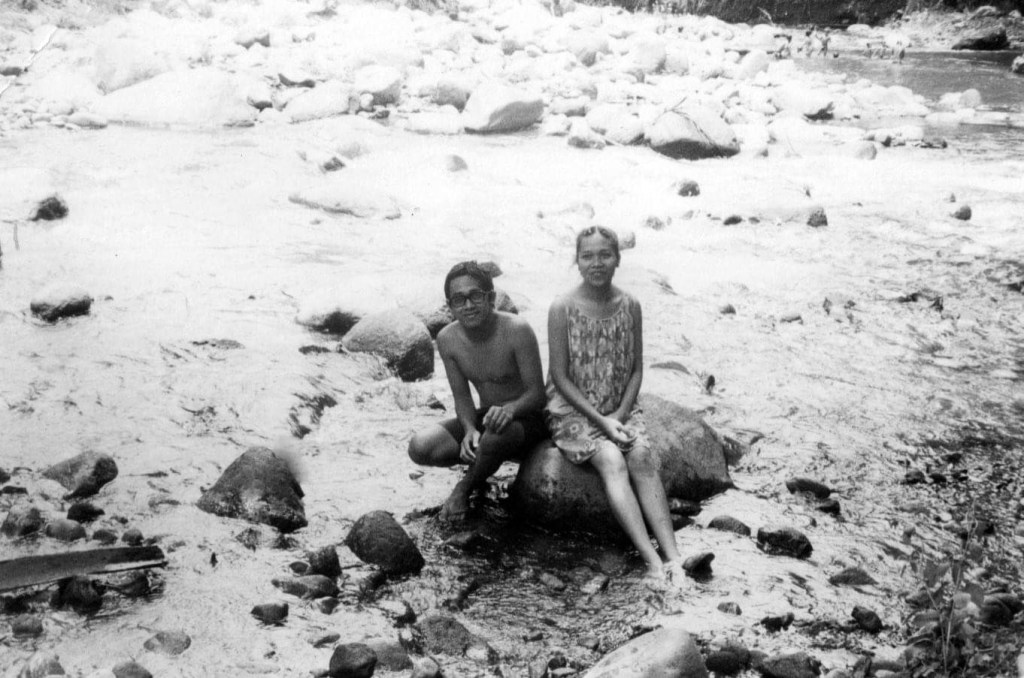
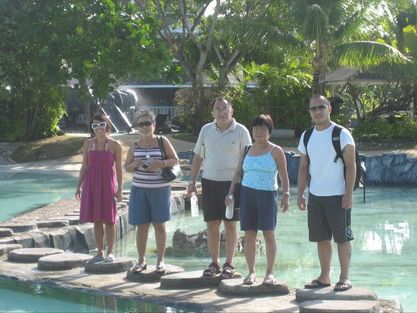
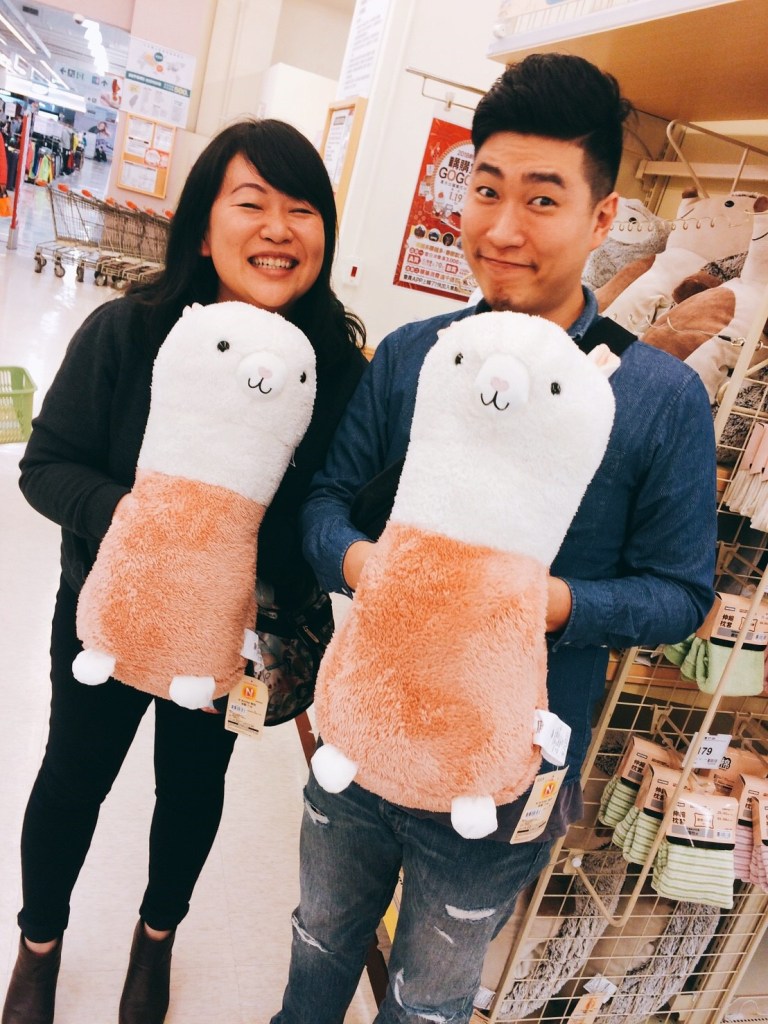
After volunteering, I felt happy and lucky that I can help others. People say that it is more blessed to give than to receive, and I think it is true. We shall do good things to help people, as the photos show. We showed care for children at the autism children’s home, just talking and visiting with them, and they felt very happy. I hope that I can continue to help people. 
Employee Spotlight: Barb Allcock

Why do you volunteer—why is it important to you?    

I volunteer because the opportunities to help others are endless.  So many people are in need, and it makes me feel like I’m doing something right for our world when I can help meet those needs.   

Name an organization(s) you volunteer for regularly? How were you introduced to that organization(s)?    

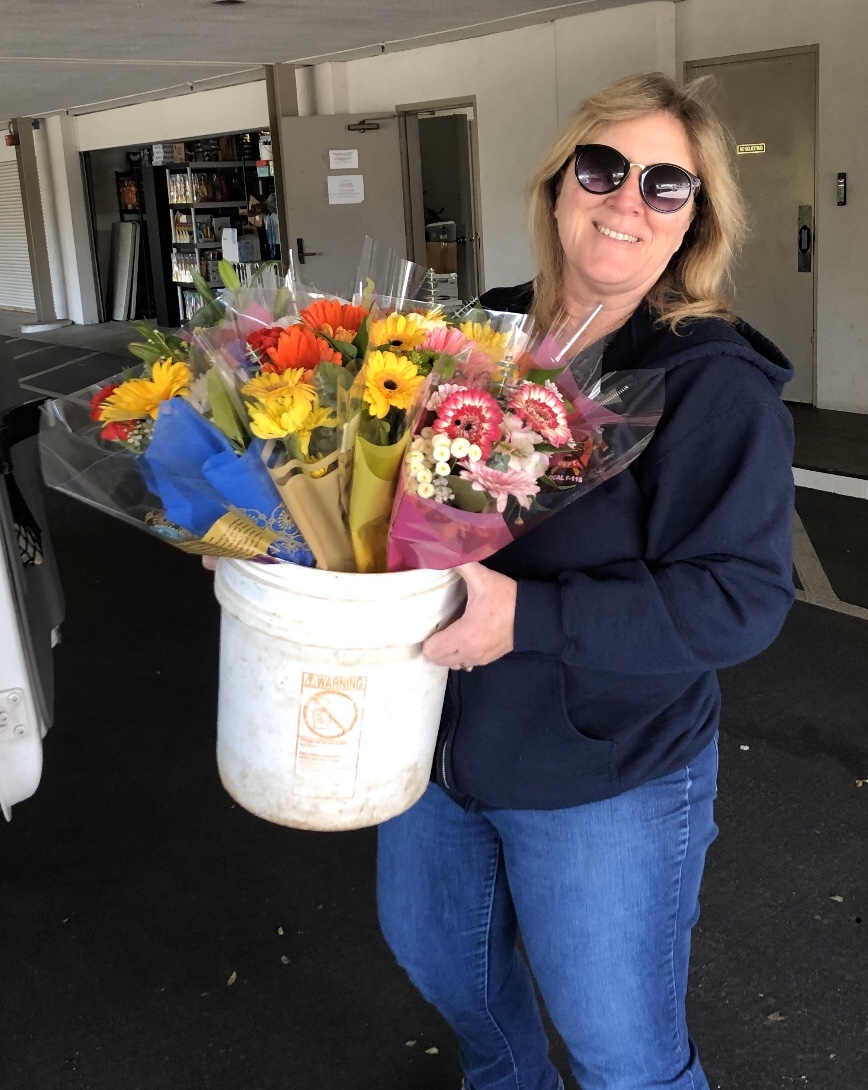
Currently I’m working with Dream Foundation’s Flower Empower program in Santa Barbara, Calif. Since 2006, I’ve been a Dream Captain at Dream Foundation, helping to fulfil the dreams of terminally ill adults as a way to honor my best friend Teri who we lost to cancer that year. In the past several years, my husband and I have delivered bouquets of flowers on Saturday mornings to those who are ill or grieving the loss of a loved one, or someone who just needs to know they are cared about. We also deliver to folks in assisted living, memory care facilities and to seniors living alone.  

Which cause(s) you are you passionate about supporting and why?    

I want to make peoples’ lives happier, easier, and help bring joy.  I want loved ones of family members who are terminally ill to have joyful memories to hold on to, so helping with dreams and supporting those family members is a big reason why I love being involved with Dream Foundation. 

I have also enjoyed working with Doctors Without Walls/Santa Barbara Street Medicine for the past two years, knowing that there are so many in Santa Barbara who are underserved medically and that they are making a huge impact on this community. 

Are you able to lend your work/professional expertise to the causes/organization you care about?  

I’m an administrative professional, so helping people is my job.  When creating a dream, you need people skills to talk with the dreamer and family members and get to know their needs.  It’s really the same as working with employees.  They have needs, and sometimes they just need to be heard; that’s what I’m here for. I hope to be volunteering in a more administrative capacity with DWW/SBSM very soon, so my professional expertise will come in handy there as well. 

How has our culture of doing good at Deckers impacted your involvement in volunteering?  

I have always volunteered.  Working here at Deckers, I have more opportunity to be in the community and able to find new volunteer opportunities because our company wants us out there and embraces this by not only paying us volunteer hours, but also encouraging us to find ways to positively impact our community and those who are in need.  This is what sets us apart from most other companies, and I’m proud of that distinction. 

What are some of your favorite volunteer activities?  

Lately, my husband and I have been delivering flowers on Saturdays for Dream Foundation’s Flower Empower program. I enjoy seeing the faces of the recipients when they see the beautiful arrangements, gift cards and chocolate chip cookies we deliver.  It’s also a nice way for my husband and I to spend our Saturday morning together. I also enjoy the ad hoc activities where there is a quick need at Unity Shoppe, Foodbank and Direct Relief so we drop in, do the job and are on our way to the next need (no cape needed). 

Share a memory of your first service/volunteering experience.  

At Deckers, I believe it was working for Food From The Heart.  I organized a group of employees to go out weekly and help prepare 150 meals that would be delivered into the community. 

Has anyone in your life influenced you to prioritize giving back through volunteering?  

My mom was a giver.  We may not have had a lot, but if we had something that we could share with someone in need, she made sure that happened. She had a servant’s heart and watching her, I learned the joy of giving as well. 

How have you witnessed volunteering impact your community, family, or yourself?  

The impact of volunteering in the community helps those who can’t always help themselves.  It lets them know someone cares about their lives.  The impact volunteering has on my family is that my children also volunteer and see beyond themselves to the needs of others. This makes me very proud. For me, it fills a need, to take care of others. 

How do you feel after volunteering?  

Ha! It depends on the activity.  Sometimes elated, sometimes mentally worn down, but always happy I was part of something that I hope made a positive difference in someone else’s life. 

Employee Spotlight: Emmy Leone

Why do you volunteer—why is it important to you?   

I volunteer because I believe that even small acts of kindness by each person add up to a big impact overall.  When I first started volunteering, I was introduced to the quote from Mahatma Ghandi: “Be the change you want to see in the world.” There is much about the world I would like to see changed. I have realized that I can perform whatever actions I am able to try to work for the change I desire—and along with all the others working for change, we will make an impact together.   

Name an organization(s) you volunteer for regularly? How were you introduced to that organization(s)?   

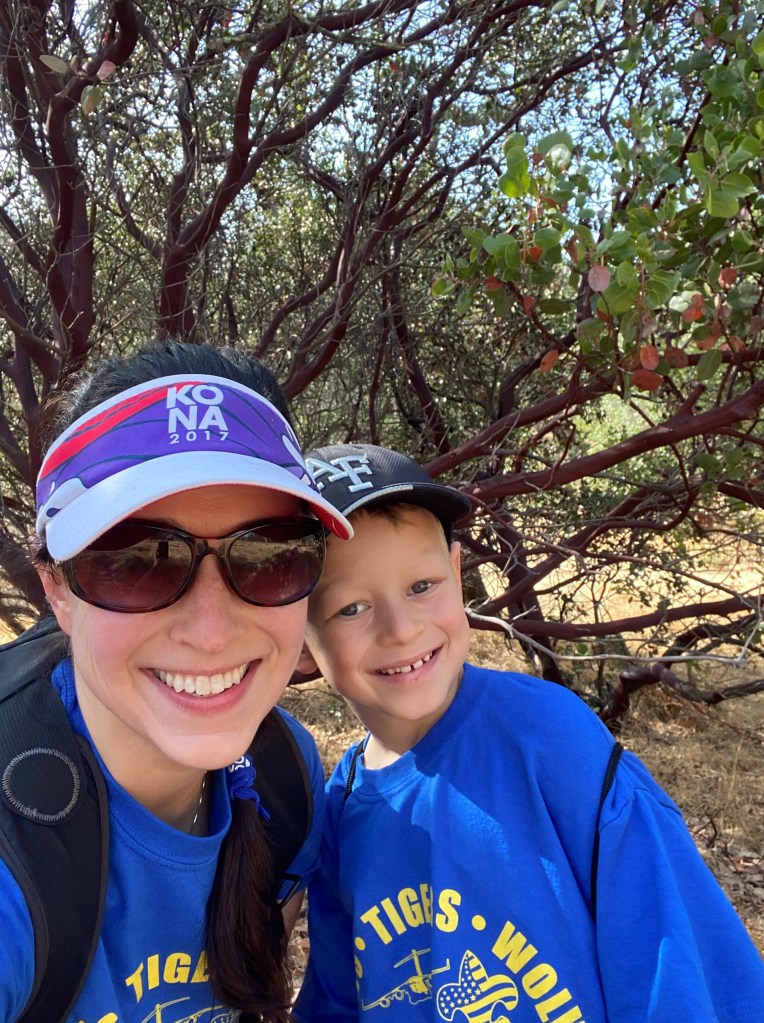
Most recently my regular volunteering was with BSA – Cub Scout Pack 8150 on Travis AFB in CA because my son was a member, and I became the Leader of his Den and a member of their board. I try to have at least one opportunity that I am committed to at all times—over the years it has included in my child’s classroom weekly, at a thrift store, and at a community space for people who are not housed.     

Which cause(s) you are you passionate about supporting and why?   

I am most passionate about causes that support people. I am also very passionate about animals and the environment; however, I try to support those causes in other ways. My volunteer hours are typically dedicated to serving people.    
How has our culture of doing good at Deckers impacted your involvement in volunteering?   

Before I worked at Deckers, I said my dream job was to be a volunteer.  If I didn’t have to be concerned about paying bills, then I could volunteer my time every day and be fulfilled by giving to others. Deckers’ culture of doing good has allowed me to do what I never thought I would be able to do in a business job, which is to encourage and support volunteering regularly.  I am so proud of being cheered on by employer to take time to help and serve others.  It is one of the many things I love about working at Deckers.   

What are some of your favorite volunteer activities?   

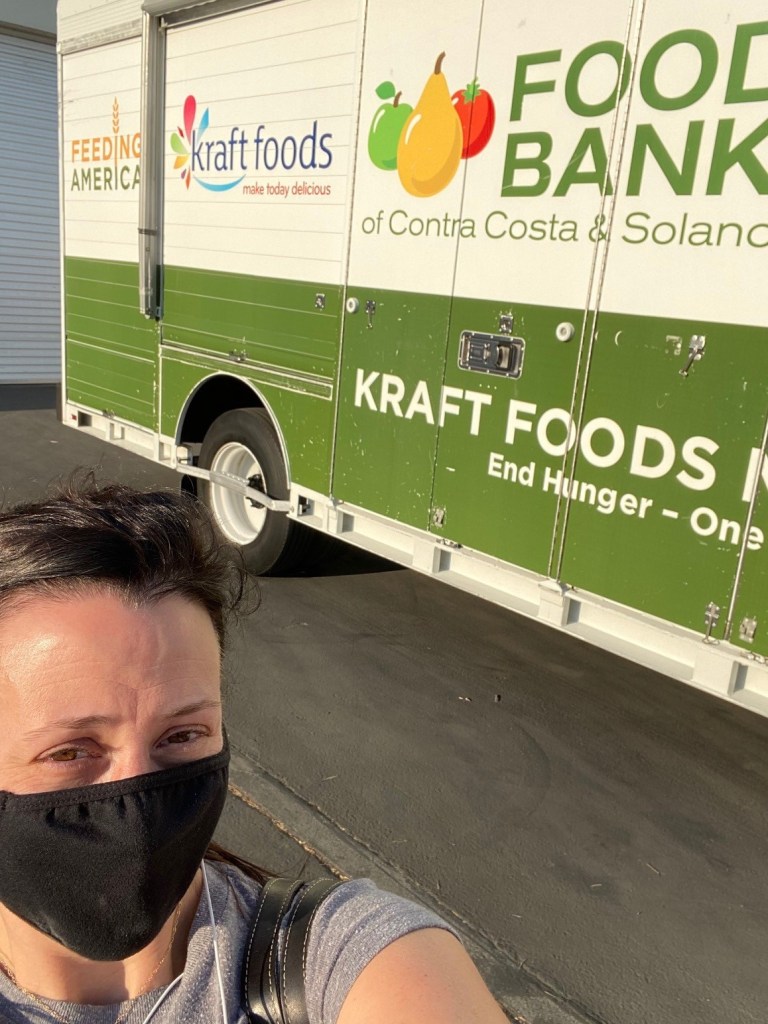
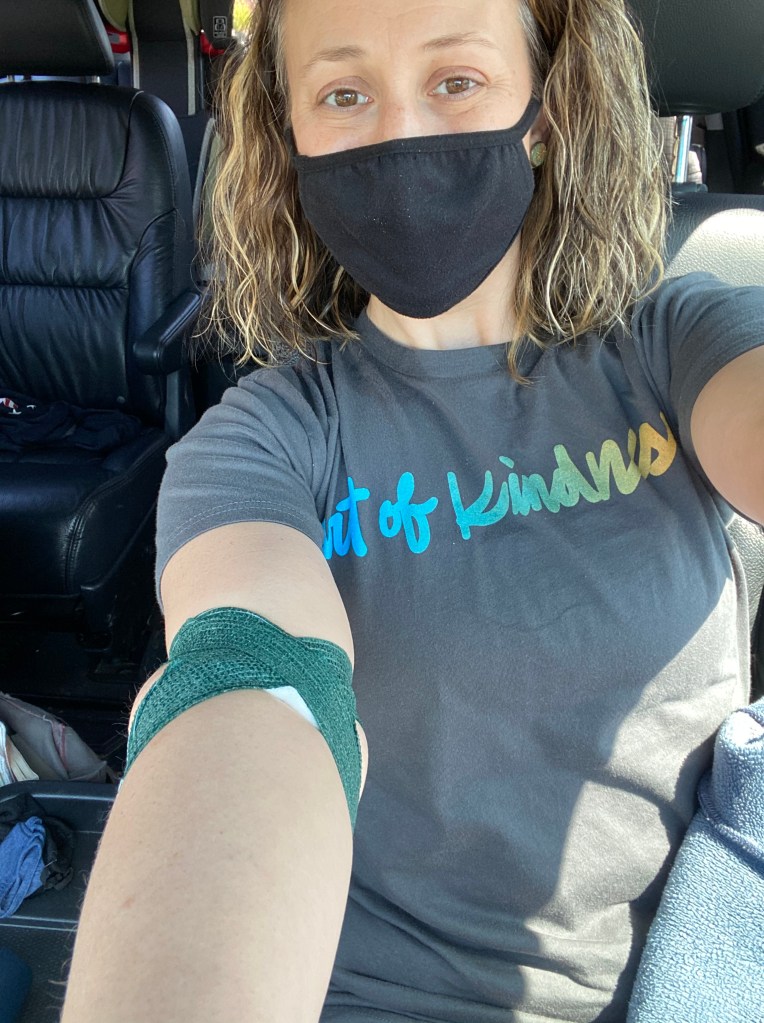
Thanks to the time that was supported and allowed during Deckers’ Art of Kindness, I was able to participate in a few new activities outside of my regulars, which were donating blood and volunteering at the Food Bank.   

My most recent commitment is to the Veteran’s Employee Resource Group (VERG) at Deckers. I am so excited to being working alongside some amazing teammates to try to support those in our community who are veterans, spouses of military members, or care about service members.     

Share a memory of your first service/volunteering experience.   
This is not from my first volunteering experience; however, it is my most significant experience.  After college and working one year in corporate banking, I decided to take a year off and volunteer with Americorps.  I ended up serving at a shelter for people who were unhoused in Alamosa, Colorado. There are so many things that came out of that experience but more than anything gratitude and gratefulness for the privilege I have had in my life that has protected me from being unhoused, awareness that many just like me have ended up in that situation and to not to take my situation for granted, and certainty that everyone deserves to be treated with kindness and respect.     
Has anyone in your life influenced you to prioritize giving back through volunteering?   

My Christian faith is what originally started me on the path of volunteering where I set out with the desire to treat everyone, especially those that are the most oppressed in society, like Jesus treated people and to love everyone unconditionally. Over my years of volunteerism, I have been inspired by all the people with whom I have crossed paths that give of themselves fully and freely in so many different ways.     

How do you feel after volunteering?   

I think the quote “For it is in giving that we receive” from St. Francis of Assisi describes how I feel after volunteering.  I went into volunteering thinking that I was helping people and it was a one-way deal. What I learned is that it’s actually very reciprocal, or in fact, I may be getting more out of it than the people I am serving.  It fills my cup, it makes me feel more connected to other people, and it grounds me.  

Employee Spotlight: Anna Chan

Hi,  

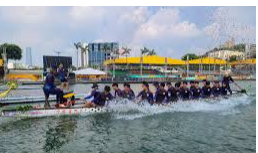
Today let me introduce to you all about our traditional dragon boat festival, it is also called “Duanwu Jie” in Chinese. The Dragon Boat Festival is a traditional Chinese holiday which occurs on the 5th day of the 5th month of the traditional Chinese calendar. 

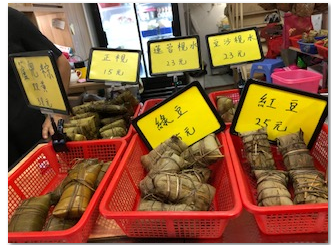
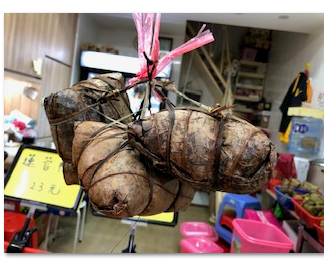
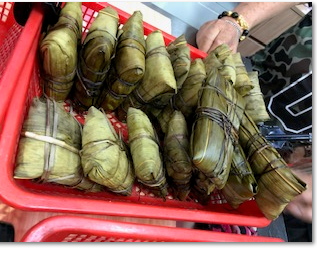
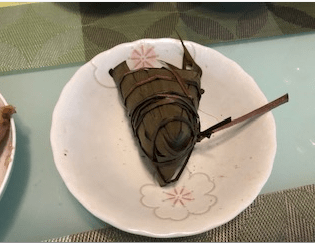
Normally we will eat rice dumplings called “zhong” and watch Dragon Boat Races as part of the ceremonies on that day. Two weeks before that day, you can start to see shops selling rice dumplings, it is a reminder that the dragon boat festival is approaching. We can also hear the sounds of the dragon boat practice coming from the river preparing for the race. 

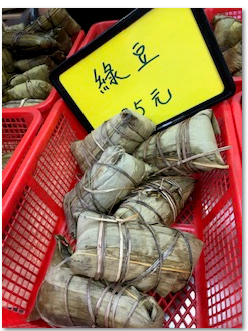
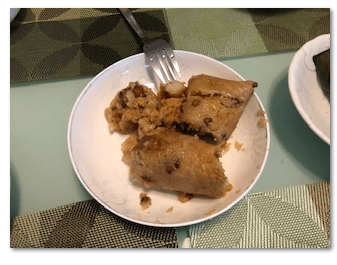
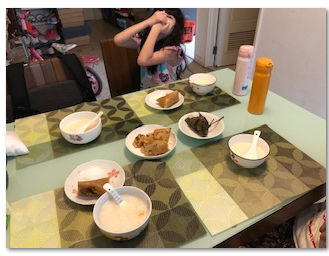
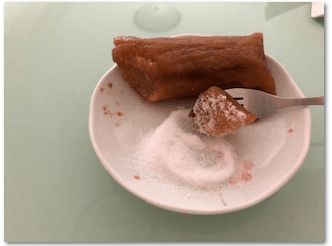
June 14th was the dragon boat festival, and I ate rice dumplings with my family for the celebration. Actually, we have different kinds of rice dumplings; you can make them according to the flavors you love. The traditional ones are made with meat. The ingredients include sticky rice, red beans, mung beans without skin, salted egg yolk, dried small shrimp, and fatty pork meat. The fatty pork meat is the most important part as it will make the rice dumplings more tasty and smell good. Of course, if you don’t like the fatty pork meat you can choose the meat without fat, but the traditional one is with fat meat only.

Another traditional one is called Jianshui rice dumpling. It is simpler than the one above as it is only made with jianshui and red bean paste. It is normally eaten with sugar. My younger daughter likes this very much because she likes sweets. Nowadays, people are becoming more and more healthy, so some people will make the rice dumplings with only five kinds of beans for vegetarians, that way more people can enjoy eating rice dumplings. 

It is a pity that we are not allowed to watch the Dragon Boat Race on site this year due to the pandemic. We can just watch from far away from the shore or watch on television. I am hoping that we will resume our normal life soon so we can really enjoy the festival. 

Employee Spotlight: Christine Tran

  • How do you like to honor your cultural roots? 
    • All the food! As an adult I’ve had many culinary adventures recreating cultural dishes from my Vietnamese heritage and childhood.  
  • What dish or dishes symbolize your heritage best and who first made them for you? 
    • My mom’s side of the family is from the Huế, home to the ancient capital in central Vietnam. The Huế dialect is uniquely different and the twangy accent that caused me a lot of headache and misunderstanding growing up makes me appreciative now. Bún Bò Huế, a spicy, salty, herby noodle soup that takes hours and hours to make, gives me all those feels. It reminds me of my maternal grandmother, who raised a dozen children, built her own business and was the strongest perspn I’ve known. 
  • Can you share a story about someone from the community who has influenced or challenged you to become your best? (Family, friends, celebrities, artists, etc.) 
    • Where to start? My mom was a child when her mom told her they were going on a family vacation. My mom packed some art supplies and bathing suit when really the family was headed off to a small boat to flee their ancestral homeland. They ended up in California and built a whole new life. I think of her resilience and strength as a source of inspiration.  
  • Do you have recommendations for your favorite film or television shows featuring AAPI stories? 
    • Anything Bruce Lee 
    • Anything Studio Ghibli, but especially My Neighbor Totoro 
    • Oldboy and The Handmaiden, both directed by Park Chan-wook 
    • Warrior on HBO 
    • Killing Eve 
    • Books that deeply impacted me –Minor Feelings, The Sympathizer.  
  • Why is May a significant month for the AAPI community? 
    • Representation matters! It’s important and meaningful to highlight the narratives and histories of the AAPI community. It’s an opportunity for exposure, education, and outreach to celebrate and help the community. 
  • How can non-Asian Americans and Pacific Islanders, celebrate AAPI Heritage Month? 
  • This is especially vital to our community right now. I took the following summary bullet points from this article here.  
    •  Check in on your AAPI friends, peers, relatives and colleagues. 
    • If you witness or notice anti-Asian sentiment at any time, take action and confront it. 
    • If you have the financial flexibility, donate to AAPI organizations 
    • Educate yourself. Seek informed resources that amplify Asian voices and recount the history of anti-Asian sentiment in the U.S. Asian narratives are often overlooked, excluded, or devalued in American culture. They are also generalized. The experiences of Asians are reflective of the diversity of the Asian continent — a vast expanse of innumerable cultures that cannot be simplified to a single Asian experience. Now is a valuable opportunity to provide a platform for a wide range of Asian experiences to be appreciated and heard. 
    • Support Asian-owned local businesses. 

Employee Spotlight: Matt Montanano

  • How do you like to honor your cultural roots? 
    • One of the biggest, most well-known parts of my culture is the food. Filipinos use food to show love. I like to honor my heritage by cooking Filipino food for my family and friends.  
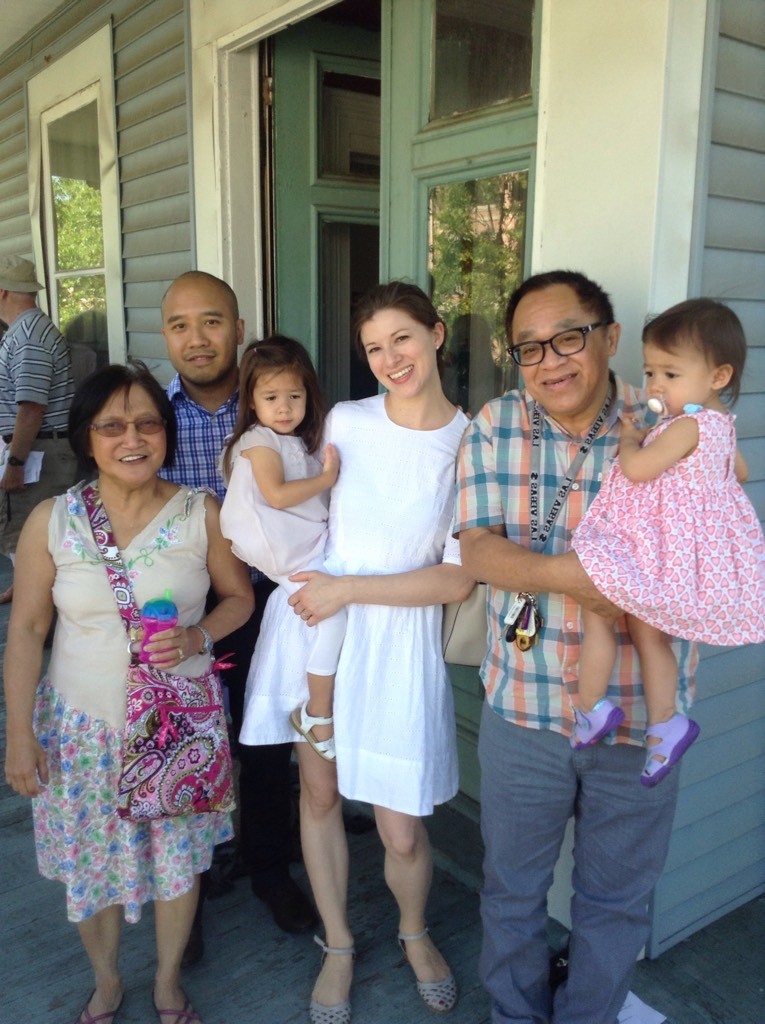
Matt and his family
  • What dish or dishes symbolize your heritage best and who first made them for you?  
    • Breakfasts and dinners were a big deal for Filipinos. Growing up, my father would make us eggs, garlic fried rice and Filipino sausage or bacon. My mother would make us Chicken Adobo (which was very popular with my non-Filipino friends) 
Matt’s mother
Matt’s father
  • Can you share a story about someone from the community who has influenced or challenged you to become your best? (Family, friends, celebrities, artists, etc.) 
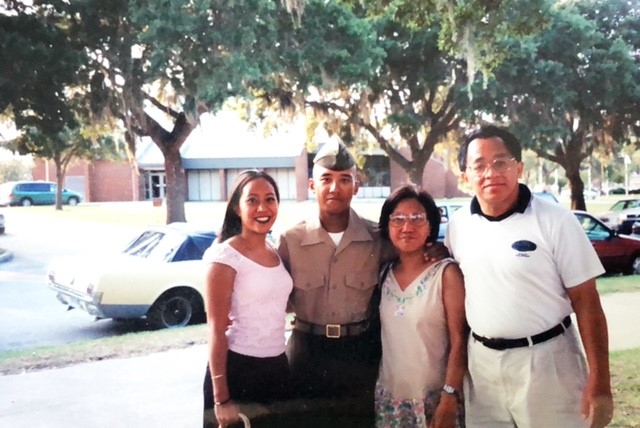
    • For me, that person was my father. He had such an intense work ethic that he developed growing up in the Philippines. He instilled in me the importance of never giving up, to giving everything I had into what I was doing and to always lend a hand to anyone who needed it. These lessons carried me through some challenging times in my life and I’m very grateful for them. The night I left for the military boot camp, my father, pulled me aside and told me that he was proud of me and that, no matter how hard things get, no matter how much I might want to give up, to always continue onward and to never give up. He also reiterated these sentiments in the weekly letters he would send me and those words helped to carry me through.  
Boracay
  • Do you have recommendations for your favorite film or television shows featuring AAPI stories? 
    • I don’t have any specific Filipino films or shows, however I’ve read a lot of works written by Jose Rizal, who was among the first proponents to Philippine independence in the late 1800’s 
Cebu
  • Why is May a significant month for the AAPI community?  
    • May signifies the month that the first Japanese Americans emigrated here as well as to honor the contribution of Chinese immigrants in building the Transcontinental Railroad.  
  • How can non-Asian Americans and Pacific Islanders, celebrate AAPI Heritage Month? 
    • One of the best ways to celebrate AAPI Heritage month is to take some time to speak to your Asian American friends about their culture, how they choose to honor their heritage….and definitely try the food! 

Employee Spotlight: Sara Chao

Hello from Colorado! My name is Sara Chao and I am the human resources support at the Broomfield office. I was very lucky to have the opportunity to be raised as a third culture kid. Growing up, besides the difficulties of learning English and Spanish simultaneously when we first moved, the transition to Latin America was not too difficult as Asian culture also focuses a lot on food, family and food with family. Now grown and living in the U.S., I celebrate and honor my cultural roots through cooking the food I grew up with.  

There are many dishes that symbolize my heritage – both of my grandmothers were amazing cooks, first thing I thought of were the homemade dumplings and other various Northern Chinese dishes from my nainai (paternal grandma). My laolao’s (maternal grandma) specialty was her soy-braised fish as she grew up in the coastal city of Qingdao (or Tsingtao, like the beer). Everything my mom makes, especially anything Taiwanese. Moving away from Taiwan as a family really forced and prepared my mom to be a great cook. She taught me everything I need to know with cooking basics when I moved away for college. I love the food I grew up with so much, if I miss it and could not get it, I will attempt to make it myself. I reminisce food from my youth by cooking up arroz con pollo or sancocho from Panama, or Hawaiian plate lunches from college days – I love SPAM! 

Other than food, I think one of the biggest perks of growing up in tight knit communities is being able to accept influences and challenges from my network of supporters, not just my family. I am grateful to have support from a network of strong people, mostly women, who provide guidance, who check in on me, who keep me in check, who give me the side eye when I am not at my best, who raise me up, who listen and support, encourage and challenge me to be my best. I also have mentors (not my parents in this case) who constantly encourage me to grow my education, formally and informally.  

For me, I am grateful that I get to celebrate my heritage year-round through cooking and shopping at my local AAPI-owned businesses, not just in May. I hope you get to do the same as well. 

Employee Spotlight: Ryan Crouch

  • What dish or dishes symbolize your heritage best and who first made them for you?  

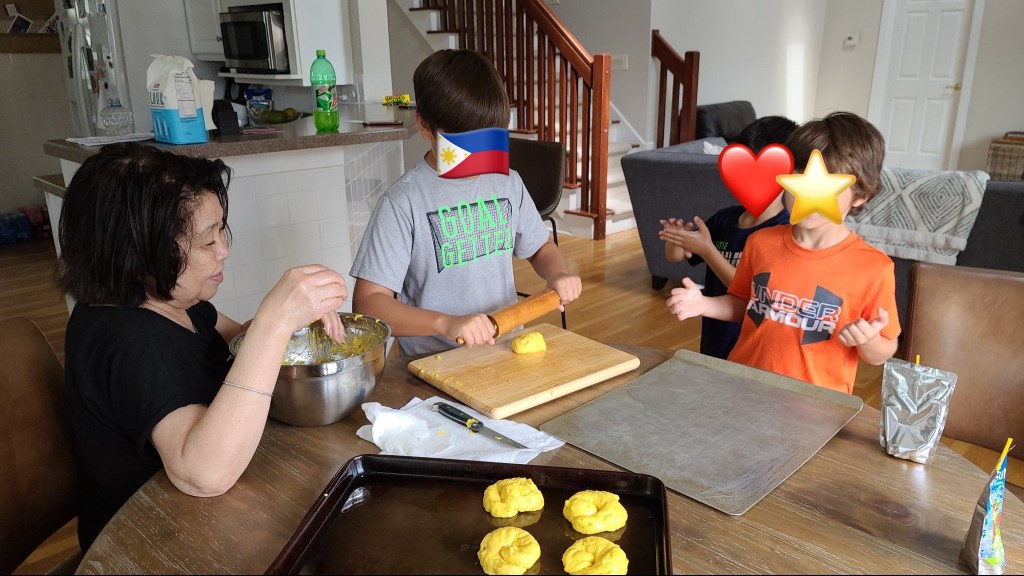
Ensaymada, a sweet Filipino pastry, makes me feel closest to my grandma. She has lived with my immediate family since my childhood, and we have a bond more akin to a brother and sister. She is funny, caring, and still to this day makes sure I’m eating enough. Grandma Rachel would make ensaymada for holidays and special occasions. Eventually, I started making them alongside her, and wrote down the recipe she had been using from memory. Ensaymada are fluffy, topped with sugar, and warm; they connect me to my grandma and the sweetness of childhood. 

  • Can you share a story about someone from the community who has influenced or challenged you to become your best? (Family, friends, celebrities, artists, etc.) 

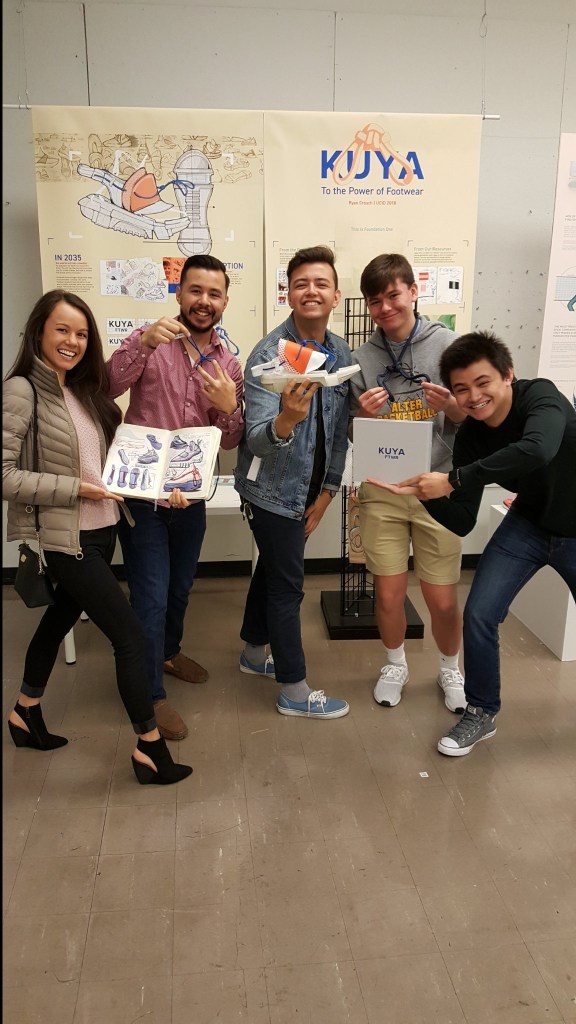
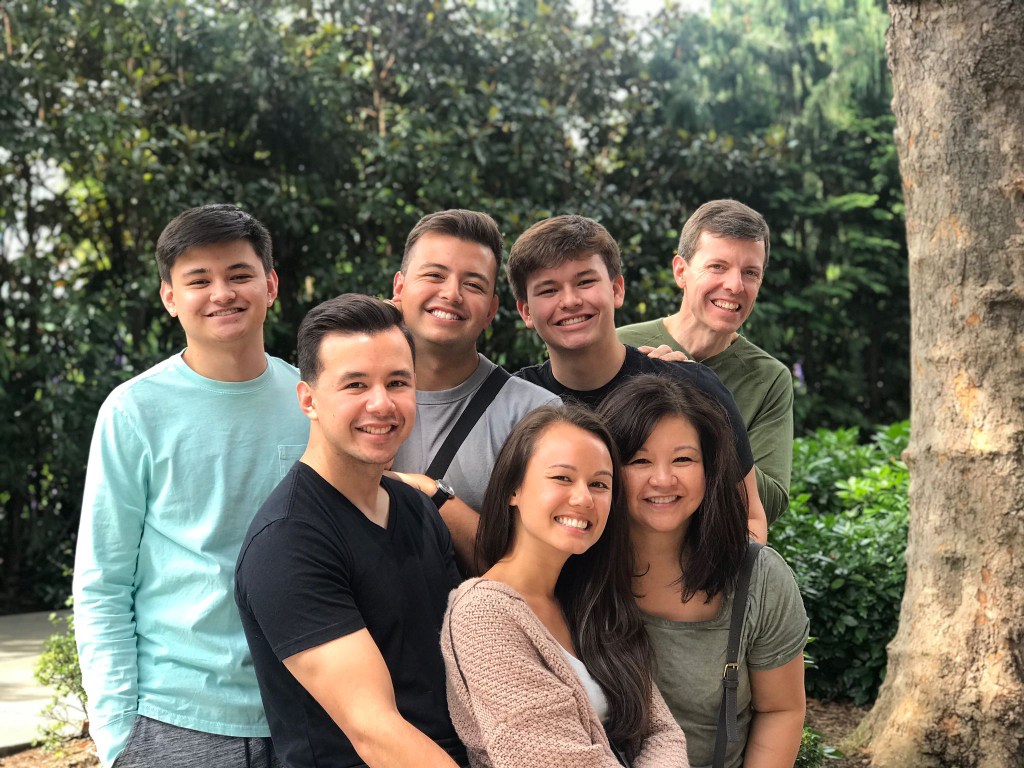
Growing up in a hapa (White + Filipino) family has taught me how to look out for others. My three brothers especially challenge me to become my best. I learned a great deal of confidence from my kuya, Alex (Kuya (koo-ya) is a term of respect for one’s older brother). I also learned about my influence on others as a kuya to my younger brothers Andrew and Jacob. Being raised around brothers has affected how I navigate intimate relationships and form bonds with others. It even influences my creativity and work. For my senior thesis, I conceptualized a footwear brand called KUYA, exploring the connection between the bonds of family and shoes: 

https://ryan-crouch.com/work#/kuya-ftwr-1/  

  • Why is May a significant month for the AAPI community?  

Especially over the past two years, the AAPI community has experienced a spike in hatred and anti-Asian sentiment. Though these issues are just now getting spotlighted in media, their roots in US history are much deeper than that. AAPI Heritage Month is an opportunity to reflect on the past, as well as celebrate progress we have made. Education, reflection, and action are so significant to the safety and appreciation of all who identify as AAPI.  

Employee Spotlight: Christina Bae

Hello! 

I’m Christina Bae and I’m with the IT Global Operations team based in Goleta. If you’ve ever called or visited the IT Service Desk in Deckers Goleta, most likely we’ve met!  

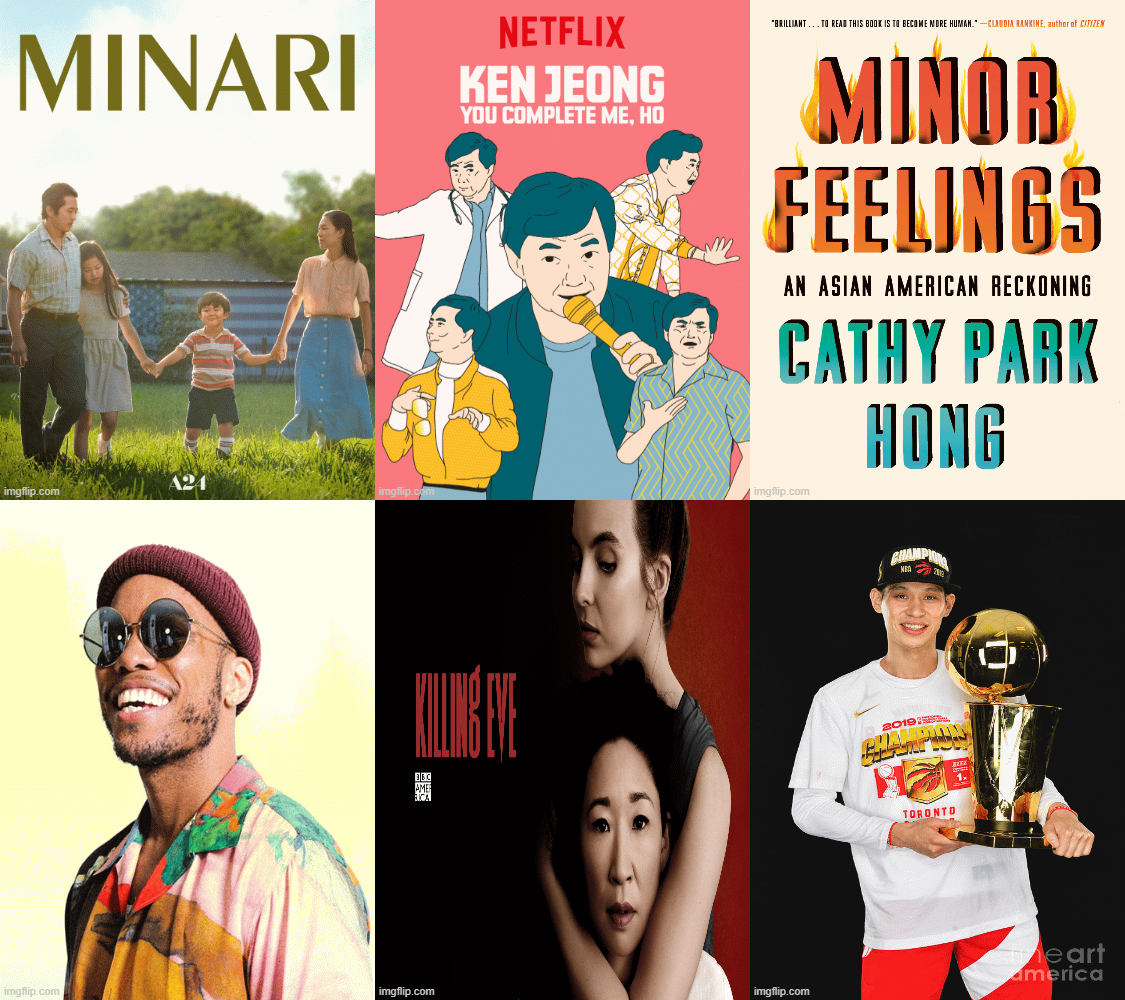
Personally, it seems a bit silly to reduce celebrating AAPI (or any other ethnic background) heritage and culture to just one month when Asian American history is interwoven in American history, but I feel we need to celebrate our Asian American and Pacific Islander heritage now more than ever. Most of the conversations around AAPI have been around the hate and racially motivated attacks that our community has been battling the past year. As imperative as these discussions have been, talking about attacks and trauma is incredibly exhausting and triggering.  For me to protect my peace and joy, I’m celebrating through supporting AAPI owned businesses and enjoying stories by members of my community. 

To celebrate our heritage this month, I want to share with you some of my favorite movies, music, stories, and much more so we can all collectively celebrate AAPI excellence and achievements. 

Movies 

Minari 

Always Be My Maybe 

Over the Moon 

Stand Up Comedy 

Ken Jeong: You Complete Me, Ho 

Ronny Cheing: Asian Comedian Destroys America 

Ali Wong: Baby Cobra/Hard Knock Wife 

Books 

If I Had Your Face by Frances Cha 

Minor Feelings by Cathy Park Hong 

How Much of These Hills is Gold by C Pam Zhang 

Music 

CASTLEBEAT 

Anderson Paak 

Japanese Breakfast 

TV Shows 

Never Have I Ever 

Patriot Act with Hassan Minhaj 

Killing Eve  

Athletes 

Chloe Kim – Snowboarding 

Naomi Osaka – Tennis  

Jeremy Lin – Basketball  

Employee Spotlight: Raja Badi

  • How do you celebrate Eid al-Fitr? How does it differ from Eid al-Adha? 

Usually we do celebrate Eid al-Fitr with family and friends to mark the end of 1 month of fasting. We go to the mosque early in the morning to perform Eid al-Fitr prayer and congratulate the Muslim community for the completion of fasting, after that the family gather and enjoy a big traditional breakfast. On this day we wear new clothes as a way of expressing our joy, kids too in addition to the new outfit they get offered gifts from their family members and the nearby neighbours. It is a busy day as the Muslim communities visit one another throughout the day. Eid al-Adha in other hand has completely different purpose, it is celebrated two months after Eid al-Fitr and it commemorates the story in the Quran of God appearing to Ibrahim/Abraham in a dream and commanding him to sacrifice his son Ismail as a test of willingness and commitment , but God almighty replaced his son with a sheep, it could be also a lamb or goat and get shared among the family, friends and the needy within the community. Muslim pilgrimage on this occasion heads of toward Mecca in Saudi Arabia to perform Hajj.  

  • Food plays an important role in Eid al-Fitr. Thinking back to childhood, what was your favorite meal to have during this time? 

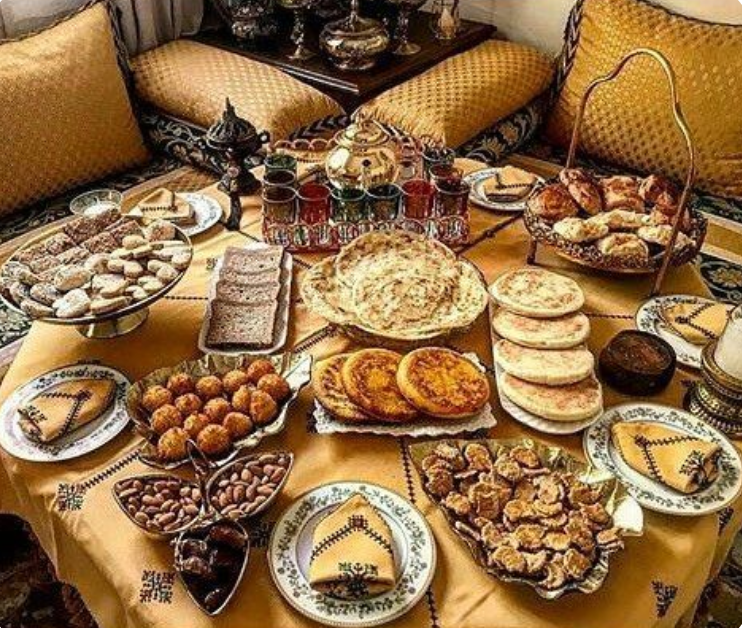
During the day of Eid al-Fitr, people are enjoying big traditional breakfast and bearing in mind that this is the first day after the fasting ended. For me personally growing up as a child and in addition to spending quality time with my family, I was always looking forward to enjoying a delicious homemade sweet. 

  • What are some traditions you and your family and friends like to do leading up the holiday?  

Leading up to this occasion there are a lot things to be added on the calendar, almost everyone goes to the market to buy all the necessary things that will be needed on the day. A night before you could smell the lovely odor all around the neighbourhood coming from the home baking. 

  • Community and giving is encouraged during the celebration. Can you share more about Zakat al-Fitr? 

Zakat al-Fitr is one of the five pillars of Islam and is a form of charity given to the poor and needy ones at the end of Ramadan which it is calculated according to the place and location where you live.  This is due on every member of a household and it is obligatory to pay it before the day of Eid. 

Design a site like this with WordPress.com
Get started